

23-April-25
In the fast-paced world of product development, speed and precision are everything. One of the most vital processes that helps companies bring new ideas to life quickly and cost-effectively is prototype moulding. But what exactly is it, and why is it so important?
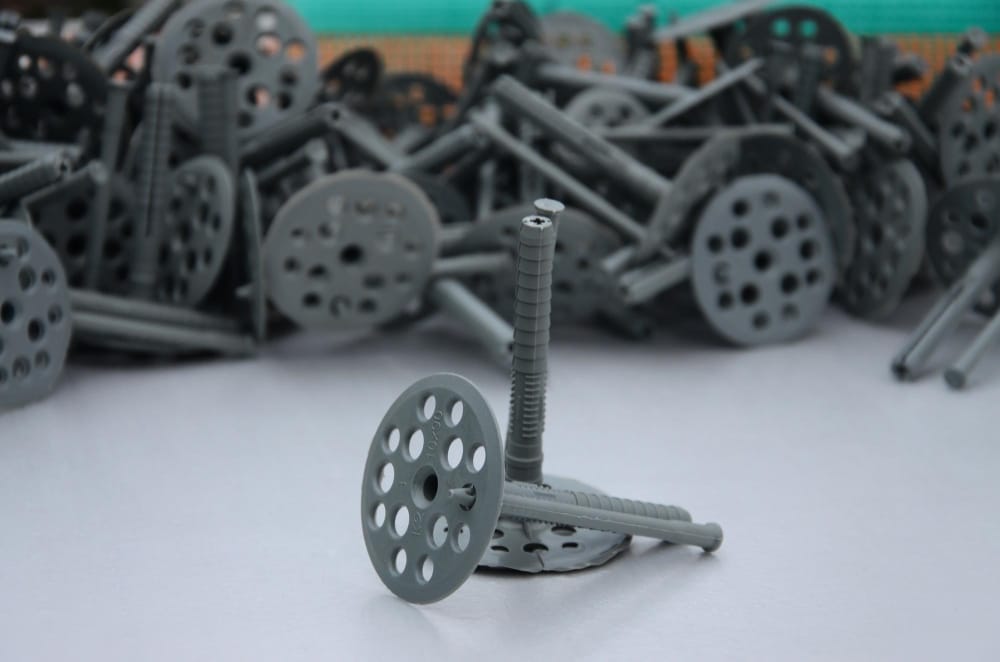
Prototype moulding, also known as rapid moulding, is the process of creating a preliminary version of a mould that is used to produce a small number of plastic parts. These parts are then tested and evaluated before full-scale production begins. The prototype mould is typically made from aluminum or softer steels to save time and cost.
Faster Time-to-Market
In competitive industries, launching a product quickly can make all the difference. Prototype moulding allows companies to test and validate product designs rapidly, helping to cut down development cycles.
Cost Efficiency
Traditional moulds made from hardened steel are expensive and time-consuming to manufacture. A prototype mould, while not as durable, is much cheaper and faster to produce, making it perfect for short runs and testing.
Design Validation
Before investing in mass production, it’s crucial to test how a part performs under real-world conditions. Prototype moulding helps engineers and designers detect flaws, make modifications, and perfect the design.
Material Testing
Prototype moulding allows for testing different plastic materials to ensure the best fit for the product’s functionality, durability, and appearance.
Prototype moulding is widely used across various industries including:
Automotive – for parts testing and pre-launch evaluations
Consumer Electronics – to validate casing and component designs
Medical Devices – to ensure compliance with strict safety standards
Aerospace – for precision part testing and material analysis
While 3D printing is also popular for prototyping, it differs significantly from prototype moulding. 3D printing is excellent for form and fit testing, but it often lacks the material strength and finish that injection-moulded prototypes provide. Prototype moulding creates parts that are much closer to the final product in terms of functionality, texture, and strength.
Prototype moulding is a crucial tool in the product development process. It provides a balance between speed, cost, and realism, allowing companies to iterate quickly and reduce risk before investing in full-scale production. Whether you’re launching a new gadget, a car component, or a medical device, prototype moulding can give you the confidence and clarity to move forward with your design.
© 2026 XpertMFG. All Right Reserved.
Designed & Developed by  Innov Touch Technologies Pvt Ltd.