


From concept to completion, we offer comprehensive metal CNC machining solutions tailored to your needs!
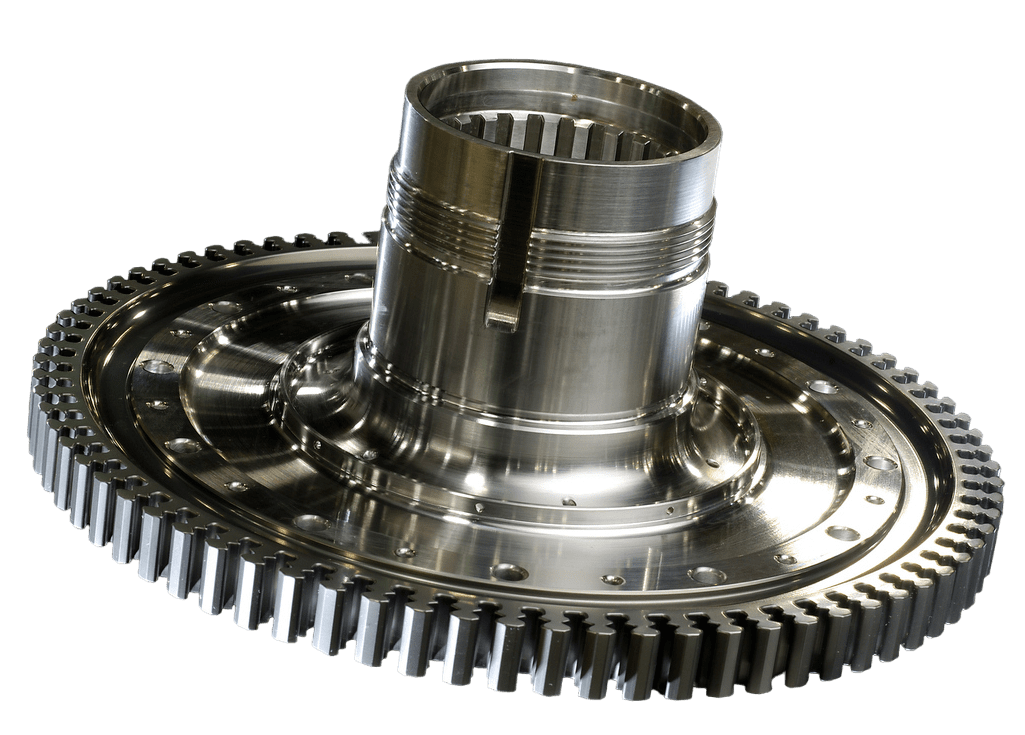
Get custom CNC metal machining solutions tailored to your needs from the experts in China.
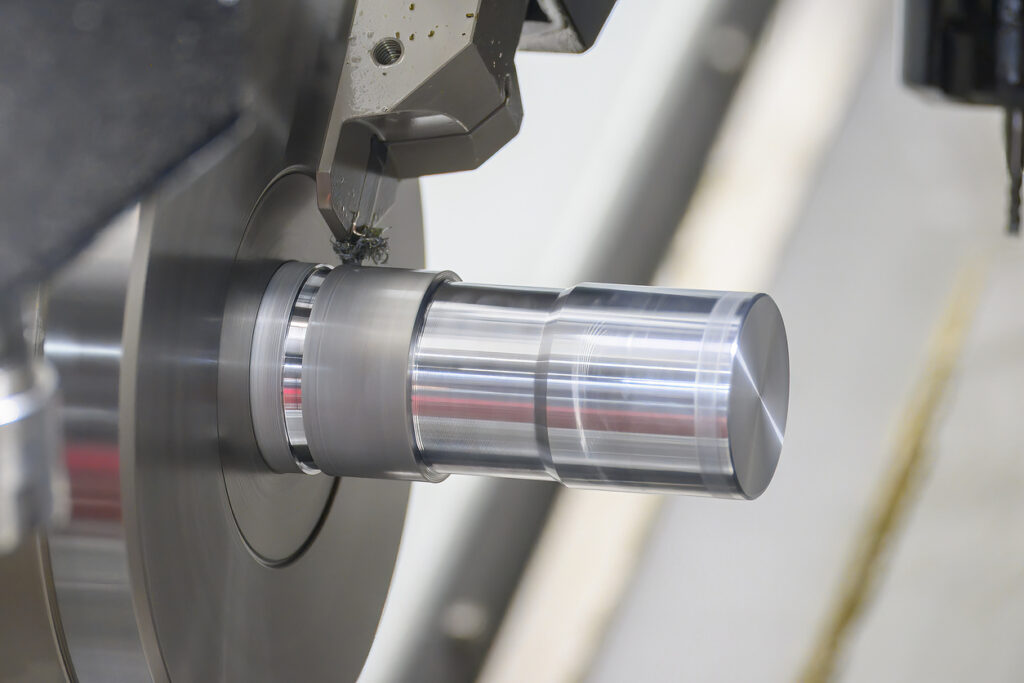
Precisely and efficiently manufacture cylindrical parts with tolerances as low as ±0.002mm.
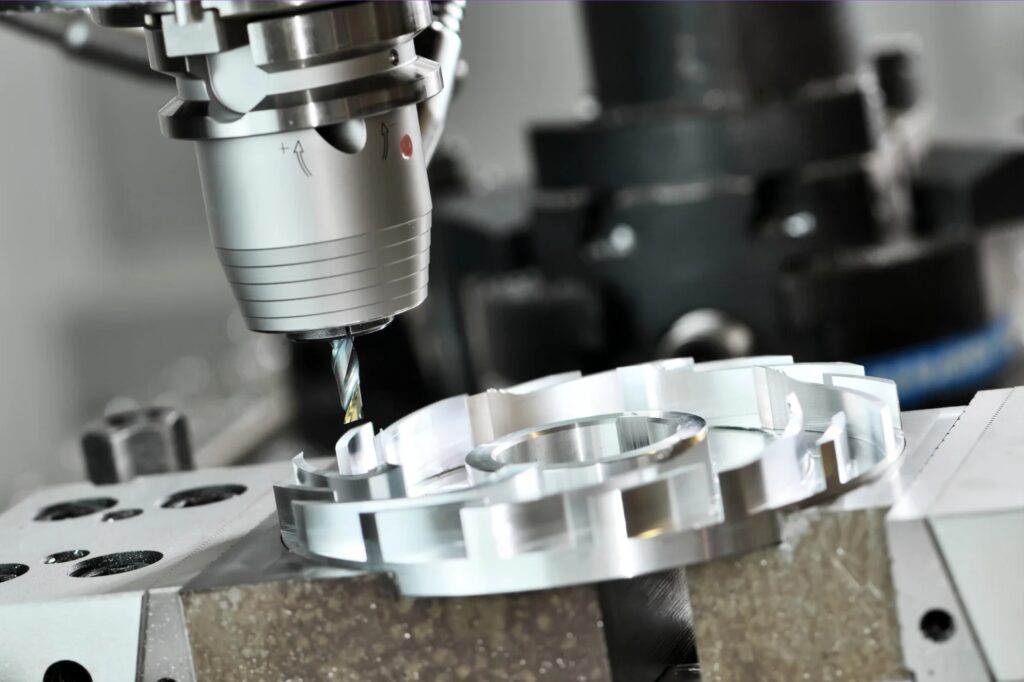
Specialize in producing complex parts with intricate shapes and fine details.
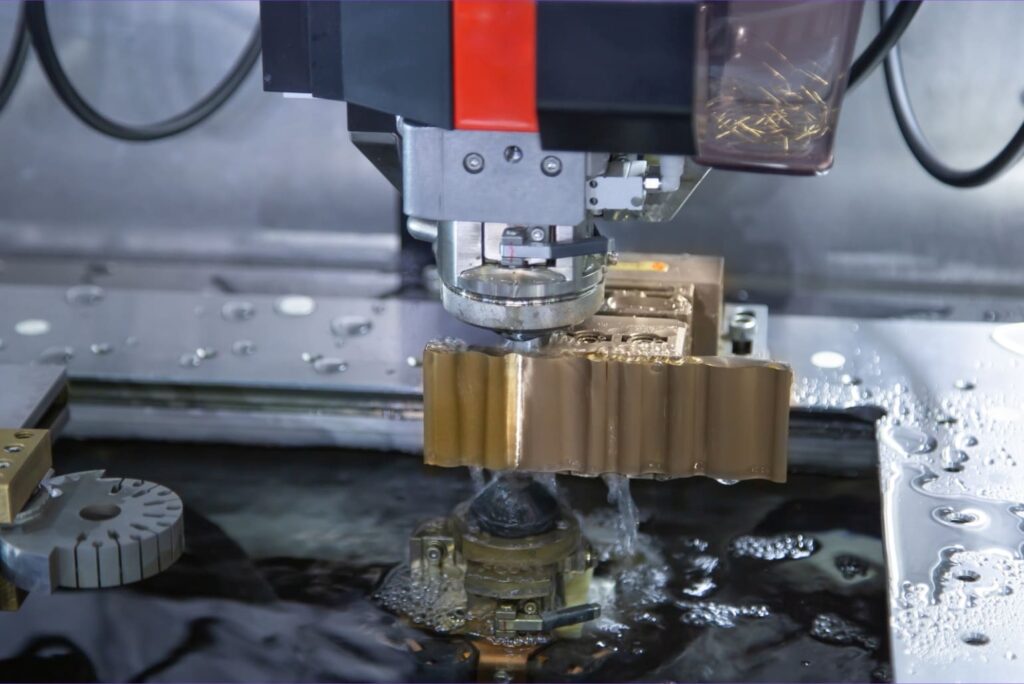
Cut hard metals and complex shapes that traditional machining cannot achieve, ensuring precision and high-quality finishes.
With tolerances as tight as +/- 0.002mm, we ensure that every component we produce meets your exact specifications.
Whether you need a single prototype or a large production run, we can deliver your parts on time without compromising on quality.
By optimizing our production processes and minimizing waste, we can offer competitive pricing without sacrificing quality.
In addition to CNC machining, we offer a range of complementary services, including design assistance, material selection, surface finishing, and assembly.
Our quality assurance processes include First Article Inspection (FAI), in-process checks, and final inspections to ensure that every part meets the highest standards.
With offices in Shenzhen and Hong Kong, and a manufacturing base in Dongguan, we are strategically positioned to serve customers worldwide.
We have an extensive material supply chain to meet your project’s specific requirements.
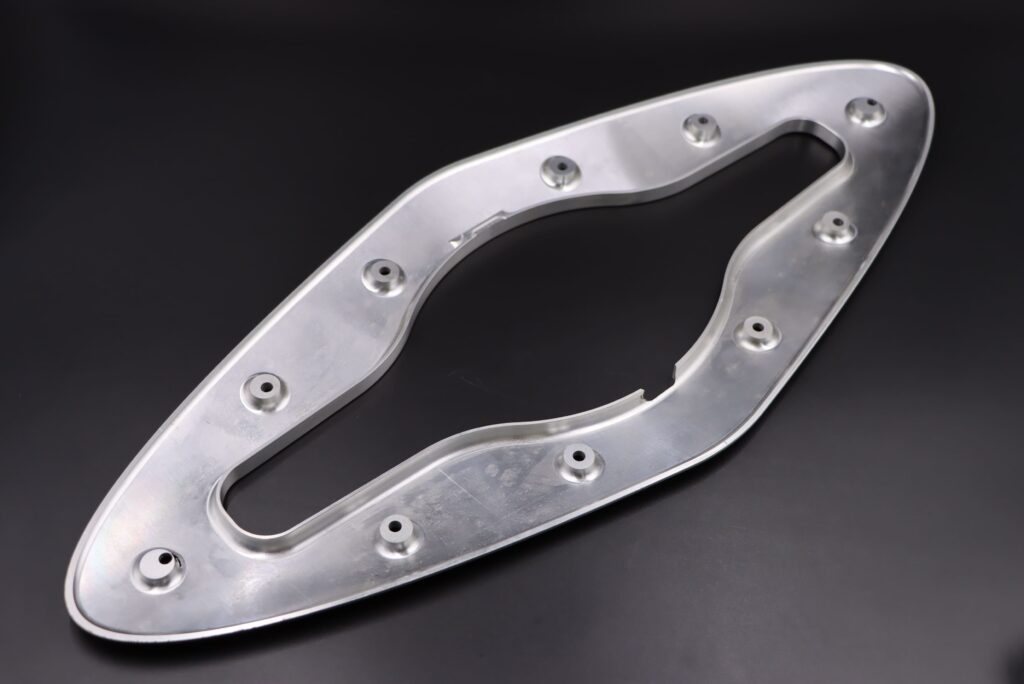
Properties: Lightweight, corrosion-resistant, excellent strength-to-weight ratio, good thermal and electrical conductivity.
Common Grades: 6061, 7075, 2024.
Applications: Aerospace, automotive parts, electronics, and medical devices.
Advantages: Easy to machine, excellent surface finish, cost-effective.
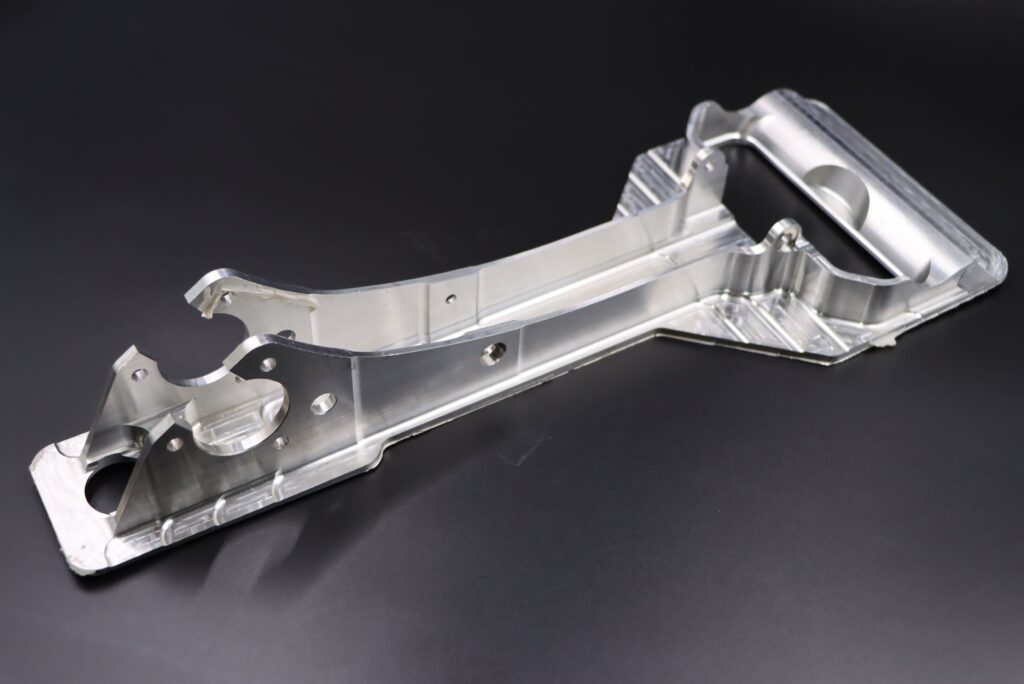
Properties: High tensile strength, durability, wear-resistant, available in various grades.
Common Grades: 1018, 1045, 4140, A36.
Applications: Structural components, machinery, tools, automotive parts.
Advantages: Versatile, high strength, excellent machinability, available in various finishes.
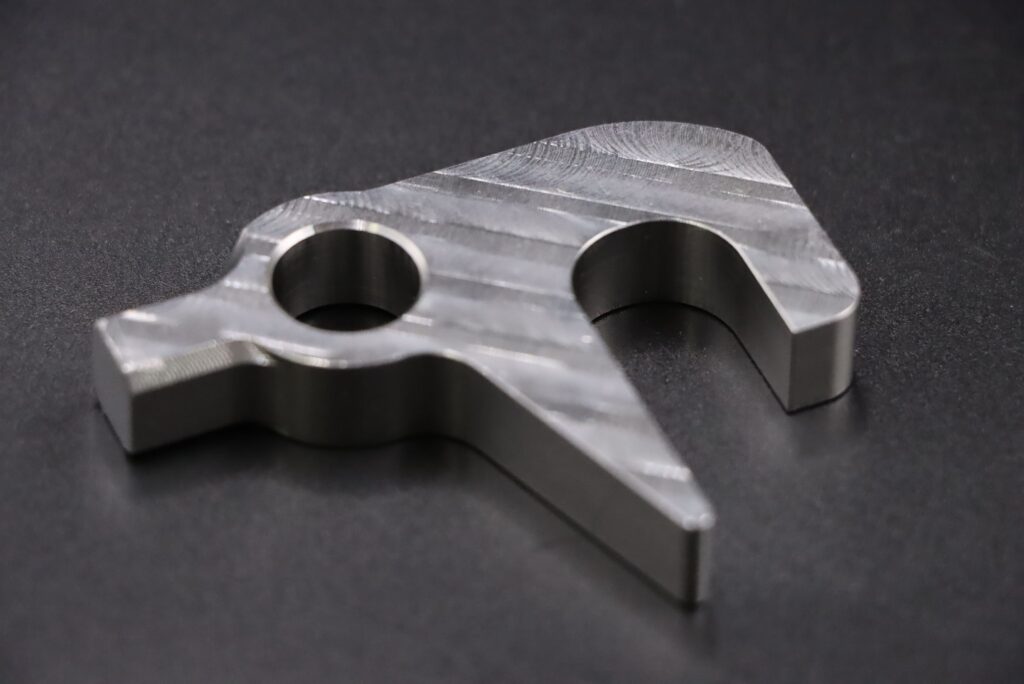
Properties: Corrosion-resistant, high tensile strength, excellent temperature resistance.
Common Grades: 304, 316, 303, 17-4 PH.
Applications: Medical instruments, food processing equipment, marine applications, automotive parts.
Advantages: Long-lasting, hygienic, aesthetically appealing, can withstand harsh environments.
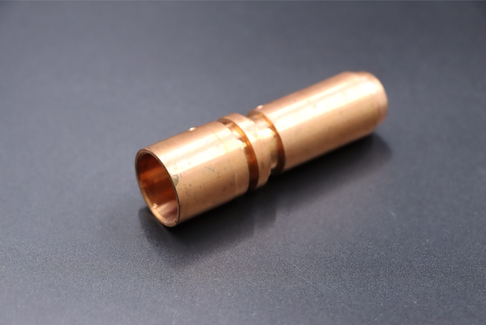
Properties: Low friction, excellent thermal and electrical conductivity, corrosion-resistant.
Common Grades: C360, C260.
Applications: Plumbing fittings, electrical components, musical instruments, decorative parts.
Advantages:Easy to machine, excellent surface finish, antimicrobial properties, good for precision parts.
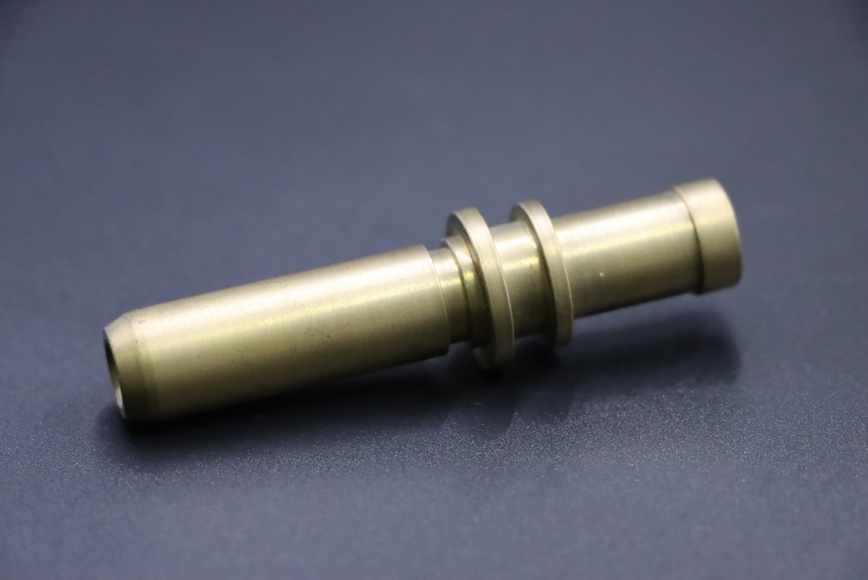
Properties: Exceptional thermal and electrical conductivity, malleable, corrosion-resistant.
Common Grades: C110, C101.
Applications: Electrical connectors, heat exchangers, plumbing components.
Advantages: Highly conductive, easy to work with, excellent for electrical and thermal applications.
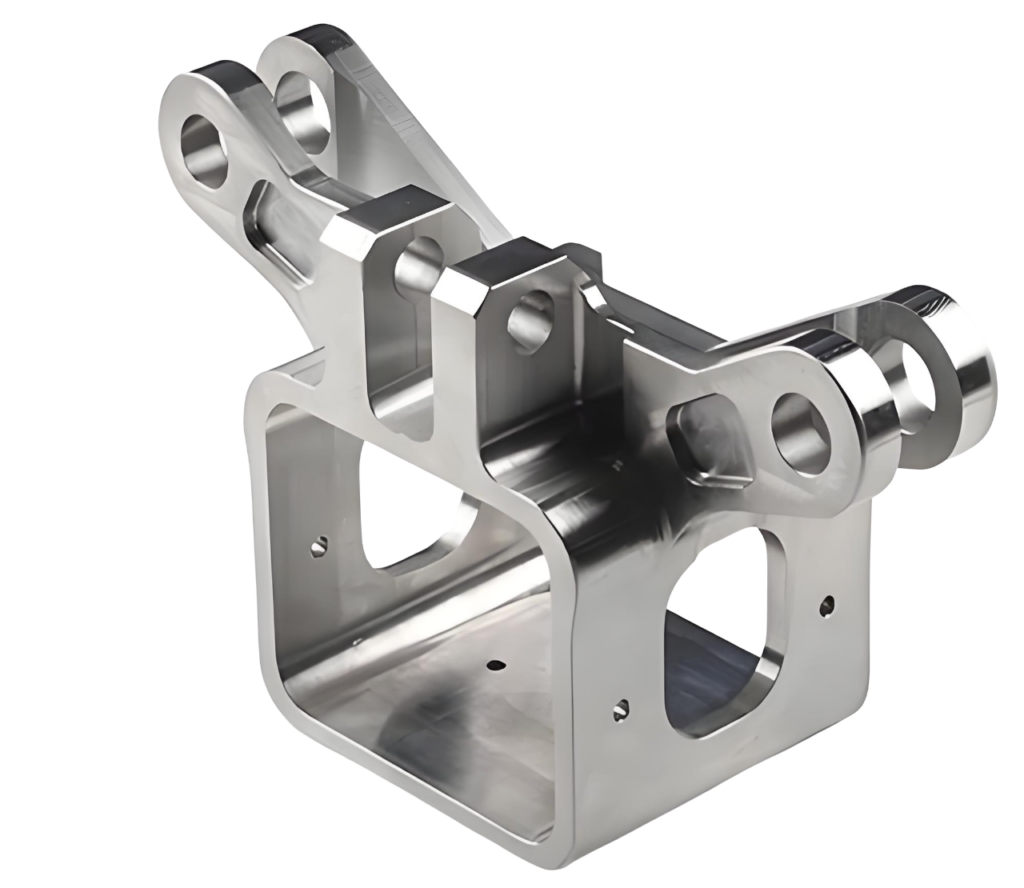
Properties: High strength-to-weight ratio, corrosion-resistant, biocompatible.
Common Grades: Grade 2, Grade 5 (Ti-6Al-4V).
Applications: Aerospace components, medical implants, high-performance automotive parts.
Advantages: Lightweight, extremely strong, withstands extreme temperatures and harsh environments.
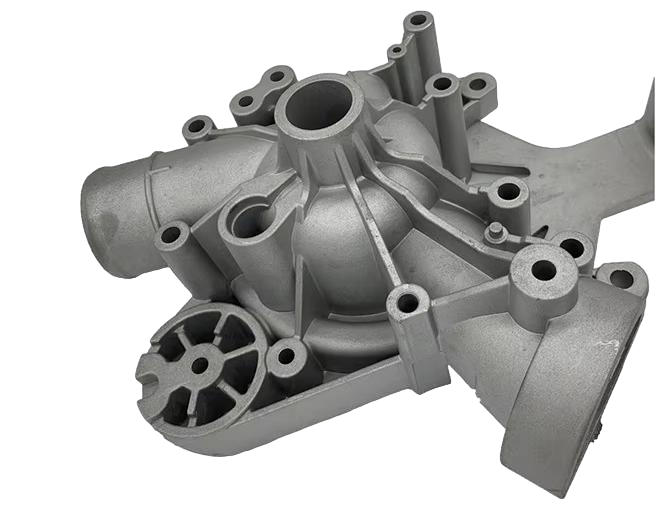
Properties: Lightweight, good strength-to-weight ratio, excellent machinability.
Common Grades: AZ31B, AZ91D.
Applications: Aerospace components, automotive parts, electronic housings.
Advantages: One of the lightest structural metals, easy to machine, good for applications requiring weight reduction.
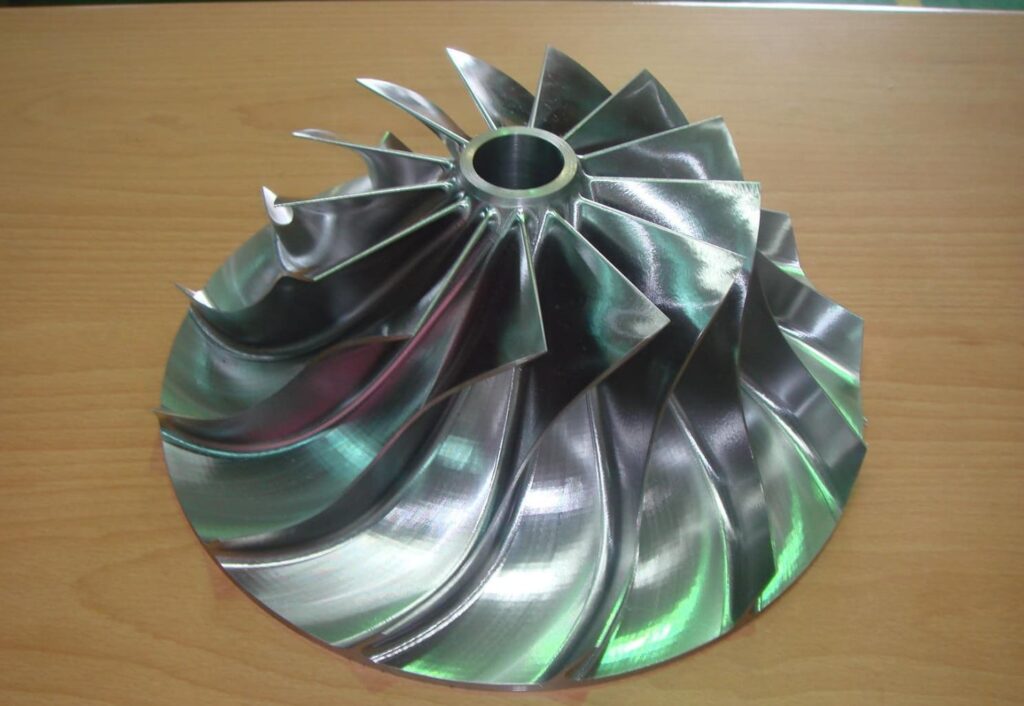
Properties: High strength, excellent corrosion resistance, heat-resistant, can withstand extreme environments.
Common Grades: Inconel 625, Inconel 718, Monel 400.
Applications: Aerospace components, gas turbines, chemical processing equipment, marine applications.
Advantages: Maintains strength and integrity at high temperatures, highly resistant to corrosion and oxidation.
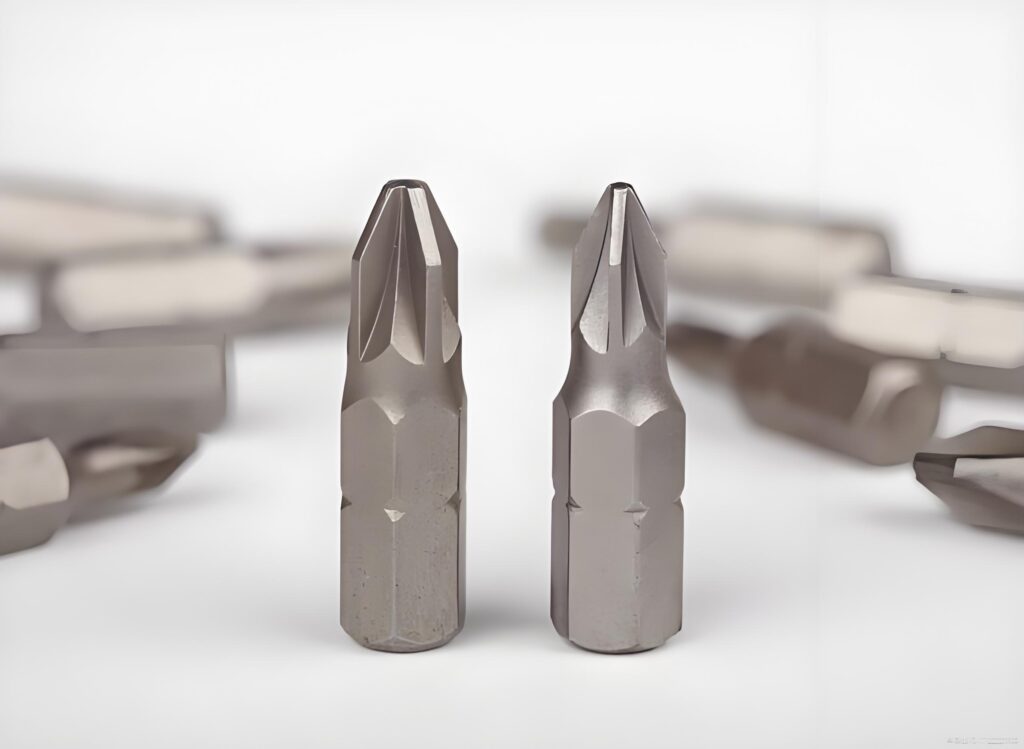
Properties: Extremely hard, abrasion-resistant, retains a sharp cutting edge, can be heat-treated.
Common Grades: A2, D2, O1, M2.
Applications: Cutting tools, dies, molds, punches, industrial machinery components.
Advantages: Superior wear resistance, excellent machinability when annealed, maintains hardness and shape under high-stress conditions.
By comparing the properties of different materials, choose the metal that best suits your project.
| Materials | Density (g/cm³) | Tensile Strength (MPa) | Hardness (HB) | Machinability | Corrosion Resistance | Thermal Conductivity (W/m·K) | Electrical Conductivity (%IACS) | Cost | Common Applications |
|---|---|---|---|---|---|---|---|---|---|
| Aluminum 6061 | 2.70 | 310 | 95 | Excellent | Good | 167 | 43 | Moderate | Aerospace, automotive, structural |
| Stainless Steel 304 | 8.00 | 580 | 200 | Fair | Excellent | 16 | 2 | High | Food processing, medical equipment, kitchenware |
| Brass | 8.50 | 360 | 110 | Excellent | Good | 109 | 28 | Moderate | Plumbing, connectors, decorative items |
| Titanium Grade 5 | 4.43 | 895 | 349 | Poor | Excellent | 7.2 | 1 | Very High | Aerospace, medical implants, high-performance parts |
| Mild Steel (1018) | 7.85 | 440 | 126 | Good | Poor | 50 | 12 | Low | Construction, automotive, engineering |
| Copper | 8.96 | 210 | 40 | Good | Poor | 385 | 100 | High | Wiring, plumbing, heat exchangers |
| Inconel 718 | 8.19 | 1240 | 330 | Poor | Excellent | 11.4 | 1 | Very High | Aerospace, turbines, chemical processing |
| Tool Steel (D2) | 7.70 | 750 | 250 | Fair | Good | 20 | 15 | High | Cutting tools, dies, molds |
| Nickel 200 | 8.89 | 462 | 110 | Fair | Excellent | 90 | 22 | High | Chemical, marine, electronics |
| Magnesium AZ31 | 1.77 | 260 | 65 | Excellent | Fair | 96 | 40 | Moderate | Aerospace, automotive, electronics |
| Zinc | 7.14 | 150 | 30 | Excellent | Good | 116 | 29 | Low | Die casting, automotive, construction |
| Chromoly Steel (4130) | 7.85 | 560 | 217 | Good | Fair | 42 | 10 | Moderate | Aerospace, motorsport, structural |
| Cast Iron (Gray) | 6.90 | 200 | 180 | Poor | Good | 52 | 8 | Low | Machinery, automotive, construction |
Selecting the right metal for CNC machining is critical to achieving the desired performance and quality of the part. Several factors need to be considered to ensure optimum results:
Factors such as hardness, tensile strength, thermal conductivity, and corrosion resistance play a significant role in determining the suitability of a material for your application.
High precision parts require more meticulous machining and inspection, often leading to higher costs.
Some parts may need a smooth, polished finish, while others require specific textures or coatings.
For high-volume production, automated CNC machines with multi-axis capabilities are more efficient and cost-effective. For smaller batches or prototypes, flexibility and quick setup times might be more critical.
High precision parts require more meticulous machining and inspection, often leading to higher costs.
Factors such as material costs, machining time, finishing processes, and inspection requirements will all affect the final price.
Some parts may require additional processes after machining, such as heat treatment, anodizing, or coating. Ensure your supplier can handle these processes or has reliable partners to do so, to maintain quality and consistency.
Clear and consistent communication helps in addressing any issues promptly and ensures the project stays on track.
Whether you’re looking to improve corrosion resistance, wear resistance, or achieve a specific visual appeal, our advanced surface treatment solutions are tailored to provide the optimal finish for your parts.
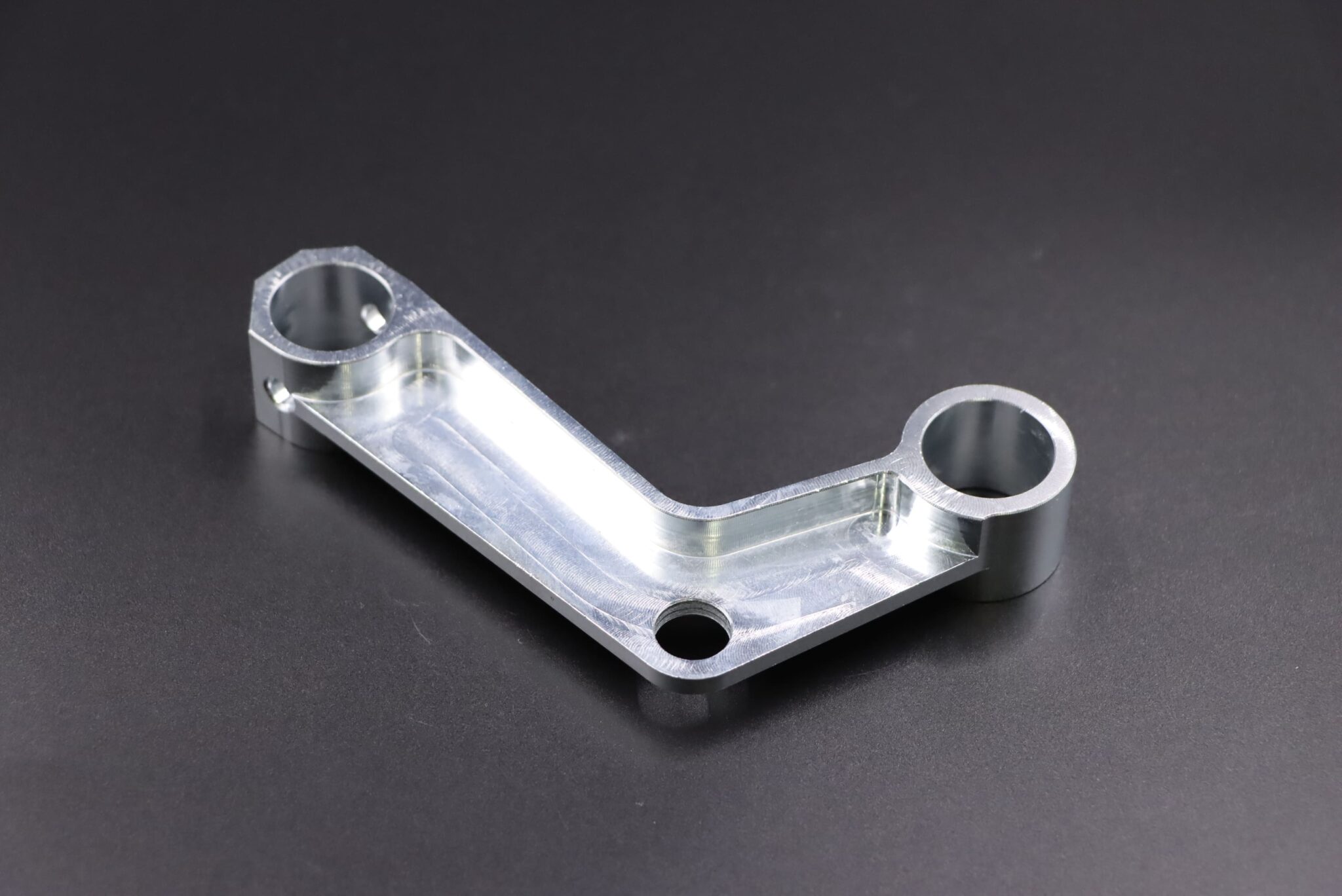
Surface is left as it comes off the machine with visible tool marks.
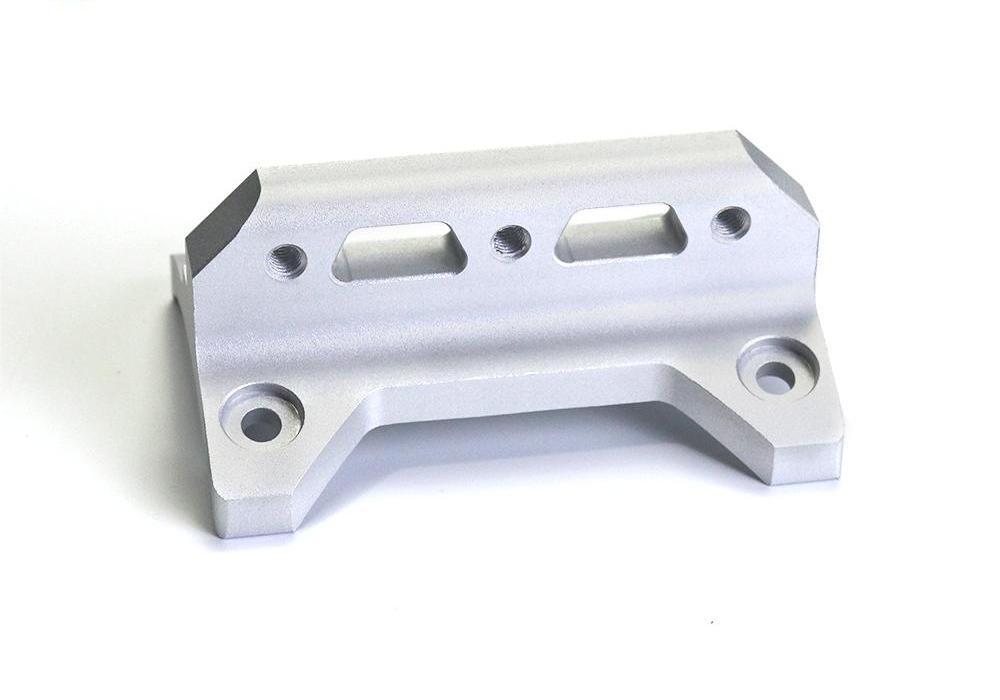
Creates a uniform matte or satin finish by blasting fine glass beads or abrasive media.
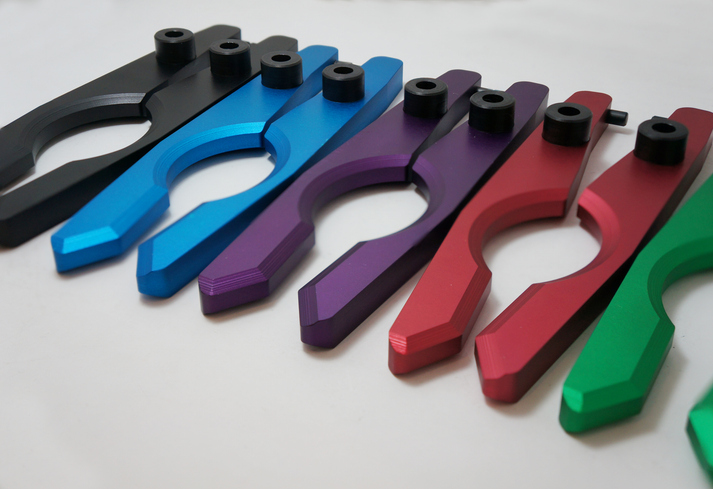
Electrochemical process forming a protective oxide layer, available in various colors and with increased surface hardness.
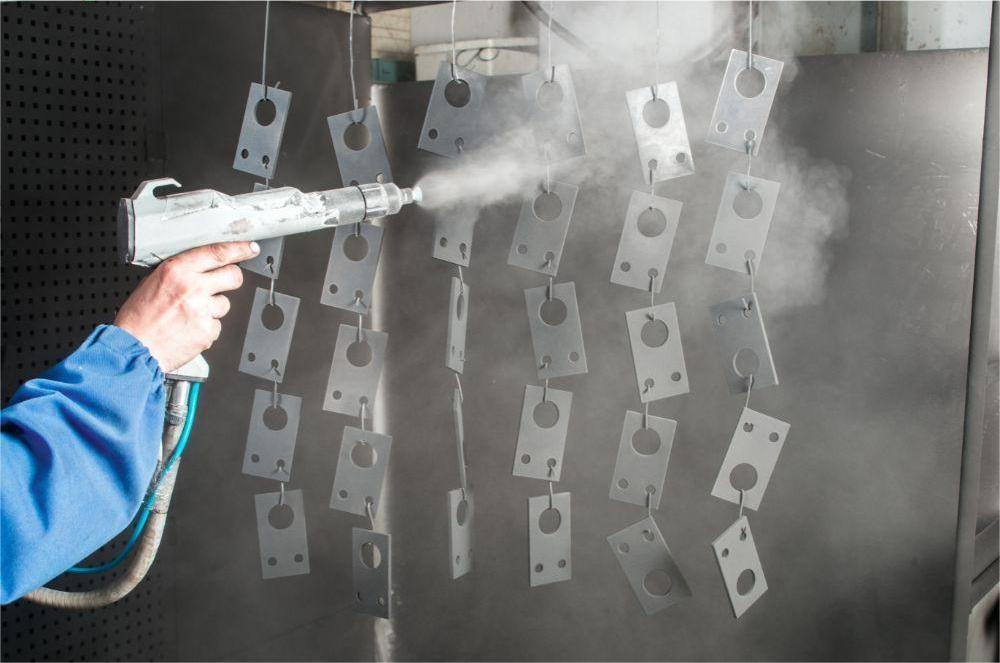
Electrostatic application of dry powder followed by curing to form a thick, durable finish in various colors and textures.
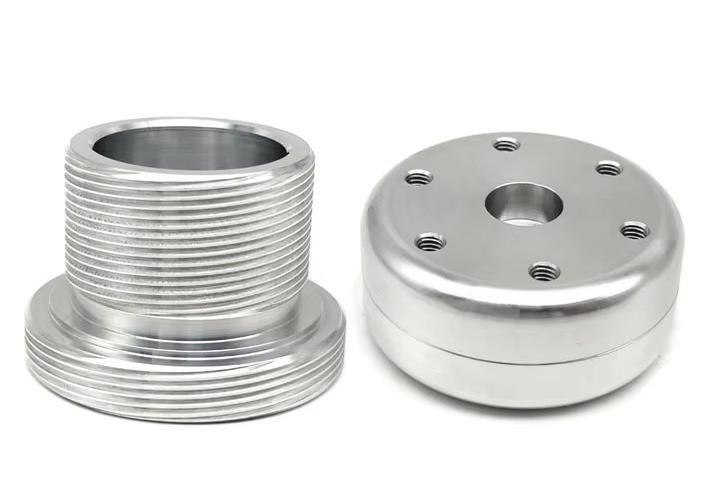
Mechanical process using abrasives to achieve a high-gloss, very smooth, reflective surface.

Uses abrasive brushes to create a distinctive unidirectional satin finish.
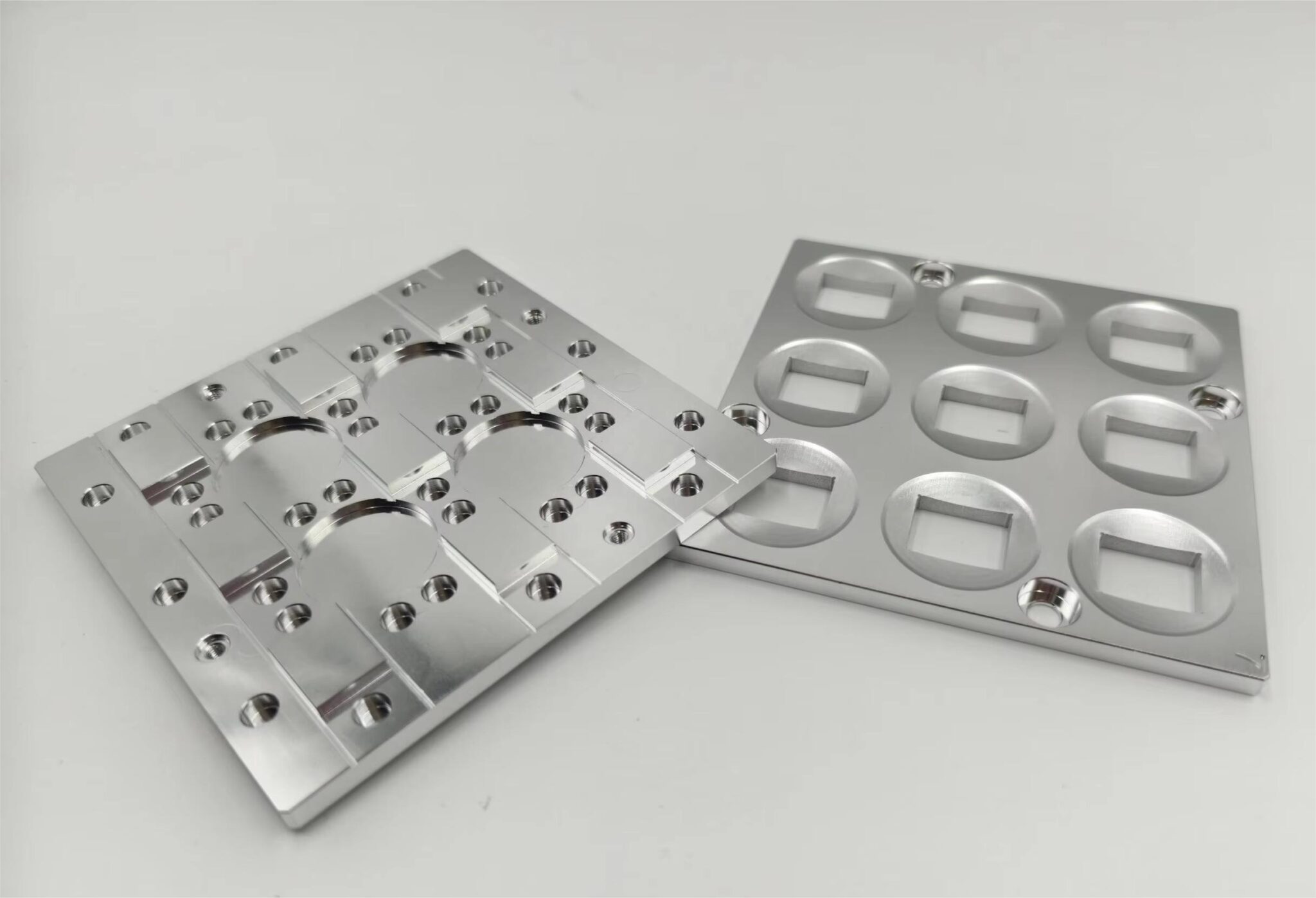
Electrochemical removal of a thin material layer to improve surface smoothness and shine.
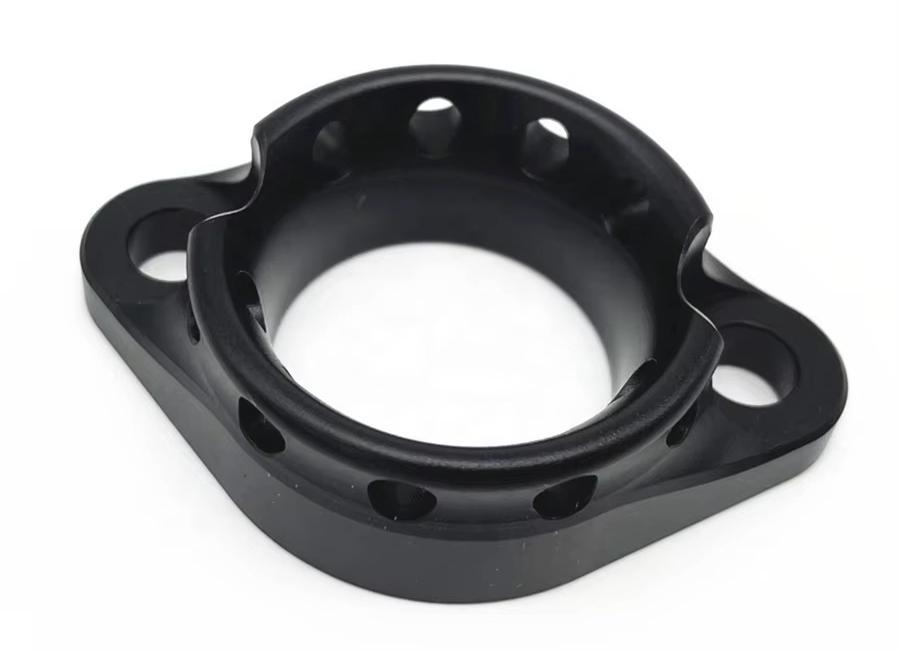
Chemical conversion coating providing a black finish with mild corrosion resistance.
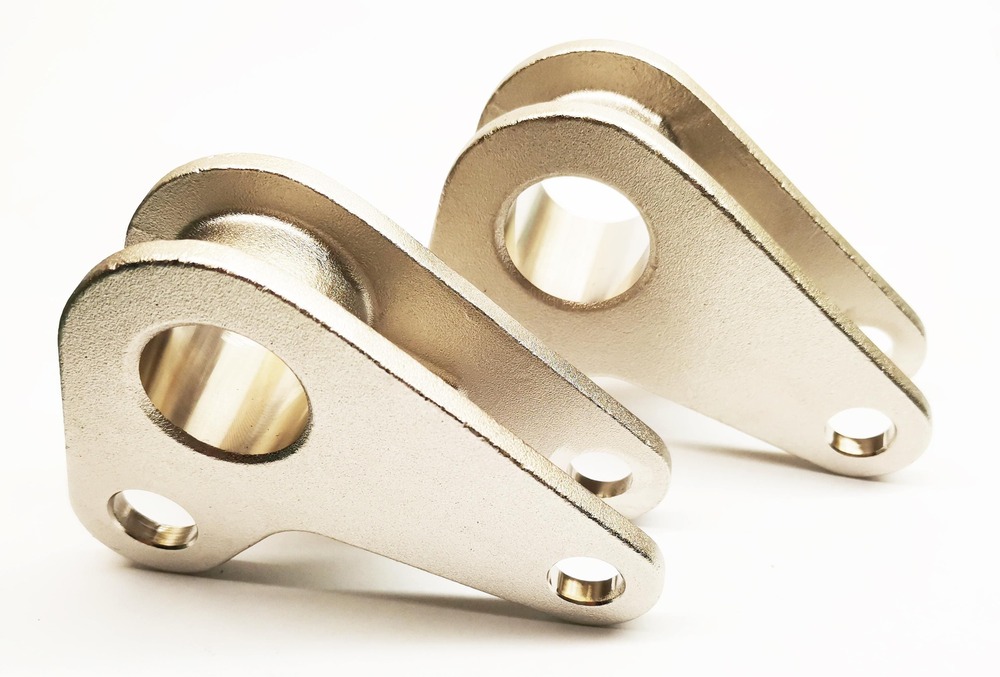
Chemical treatment removing free iron from stainless steel surfaces to enhance corrosion resistance.
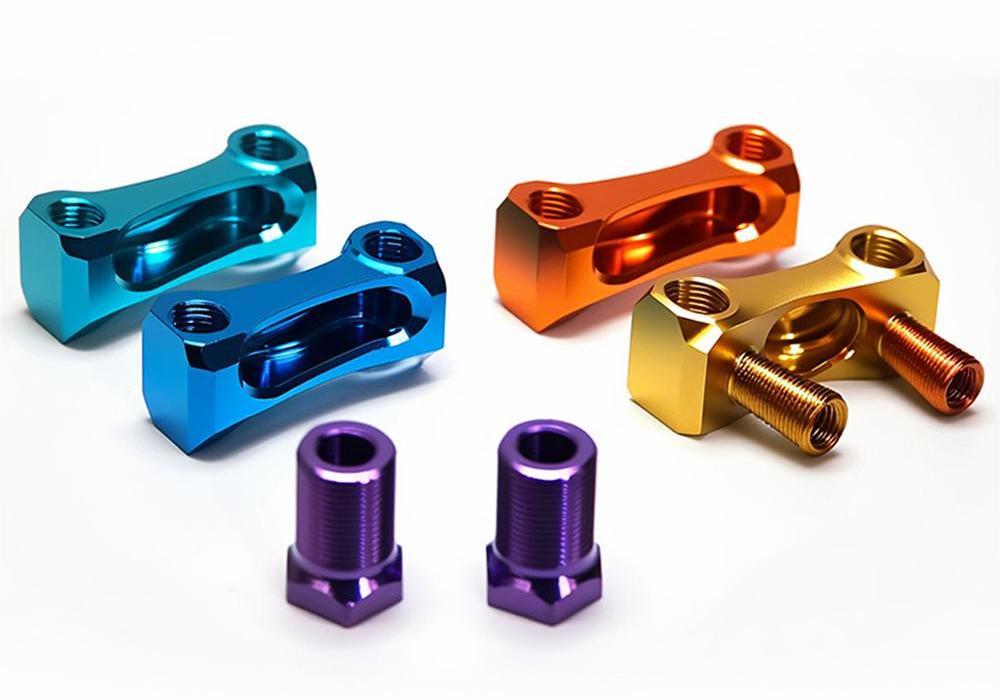
Electroplating or electroless plating depositing a metal layer for enhanced appearance and resistance.
Metal CNC machining is widely used in various industries due to its precision, versatility, and ability to produce complex parts. Here are some of the key industries:
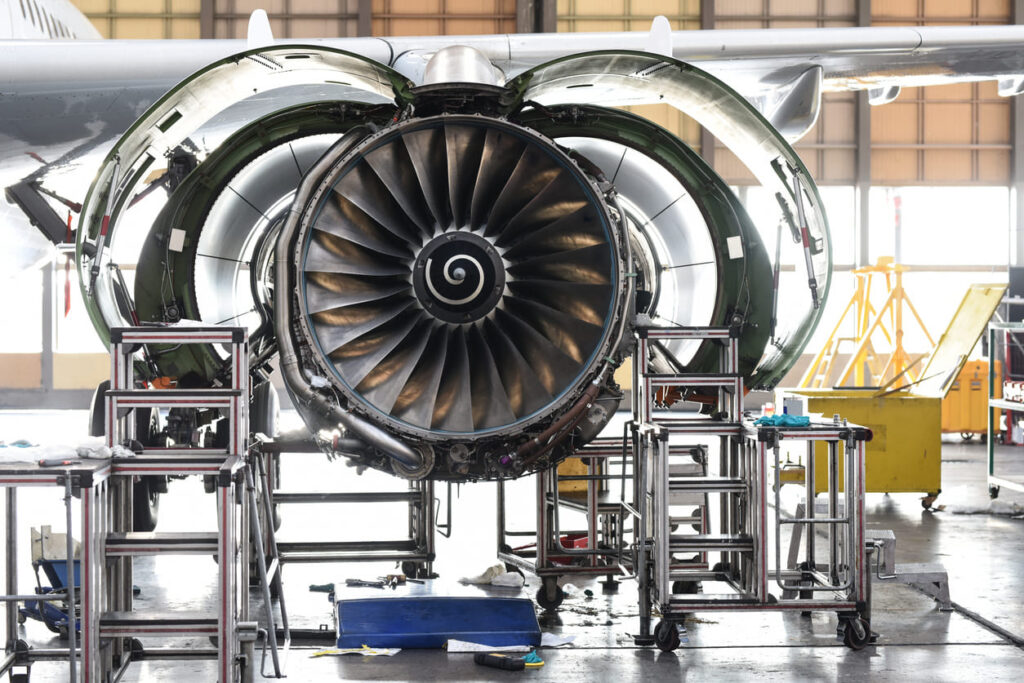
CNC machining is used to produce high-precision components such as engine parts, landing gear, and structural components, ensuring they meet stringent safety and performance standards.
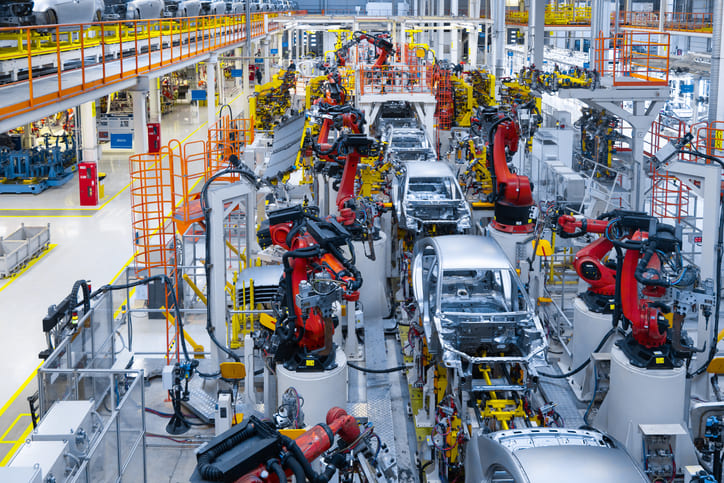
This industry relies on CNC machining for the production of various parts, including engine components, transmission parts, and custom modifications.
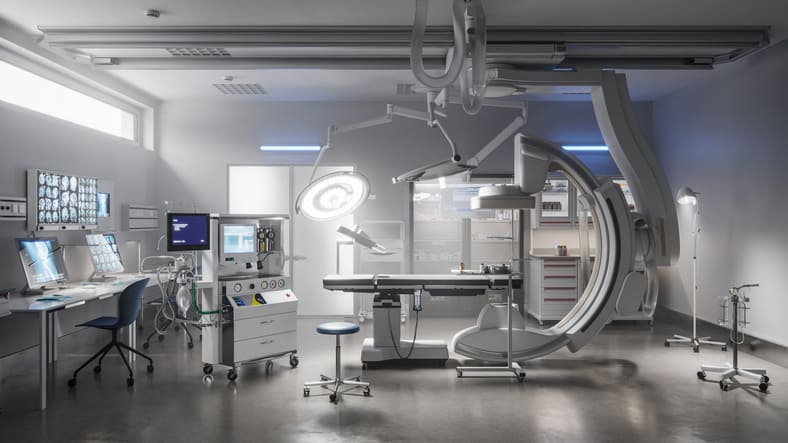
CNC machining is used to manufacture medical devices, implants, and surgical instruments, with high precision and biocompatibility standards.
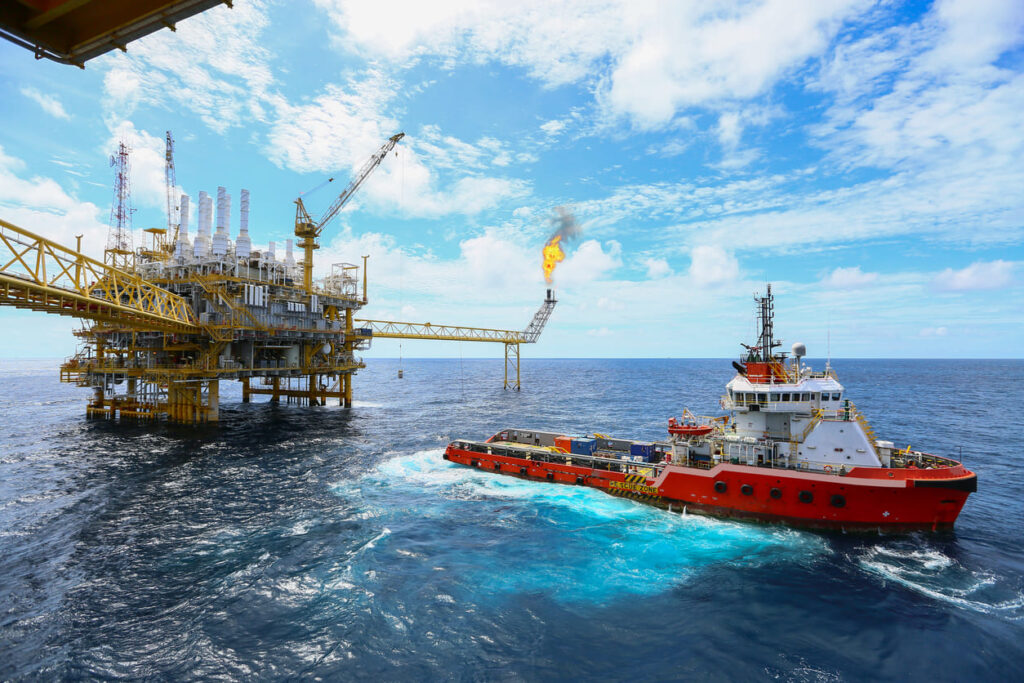
Used to manufacture parts for boats and ships, such as propellers, engine components, and structural elements.
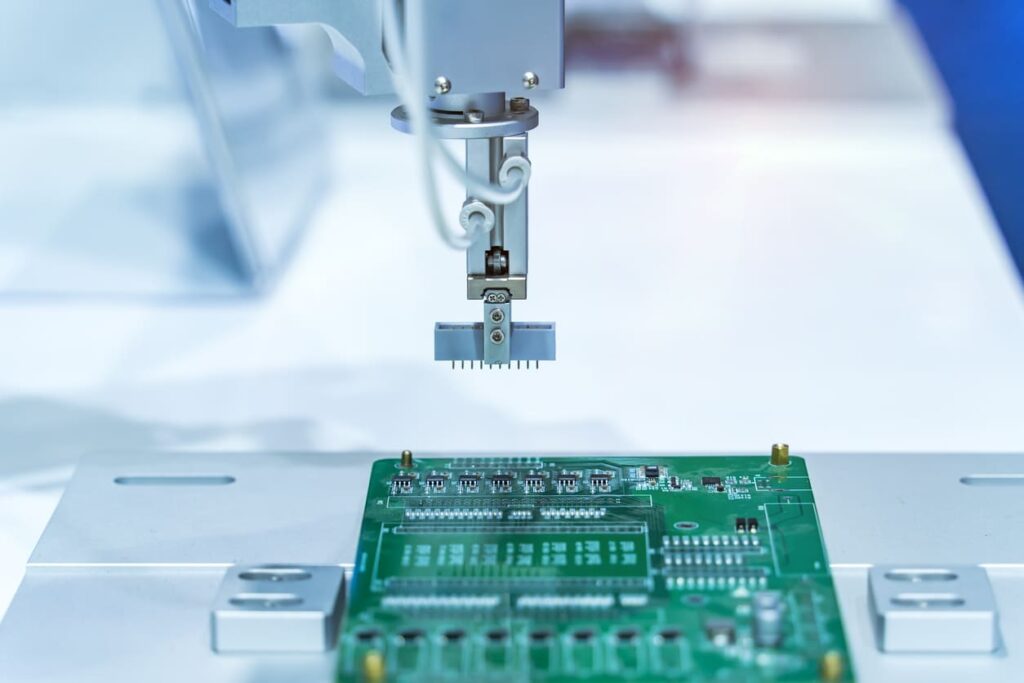
CNC machining creates enclosures, heat sinks, and components that require high precision and fine detail.
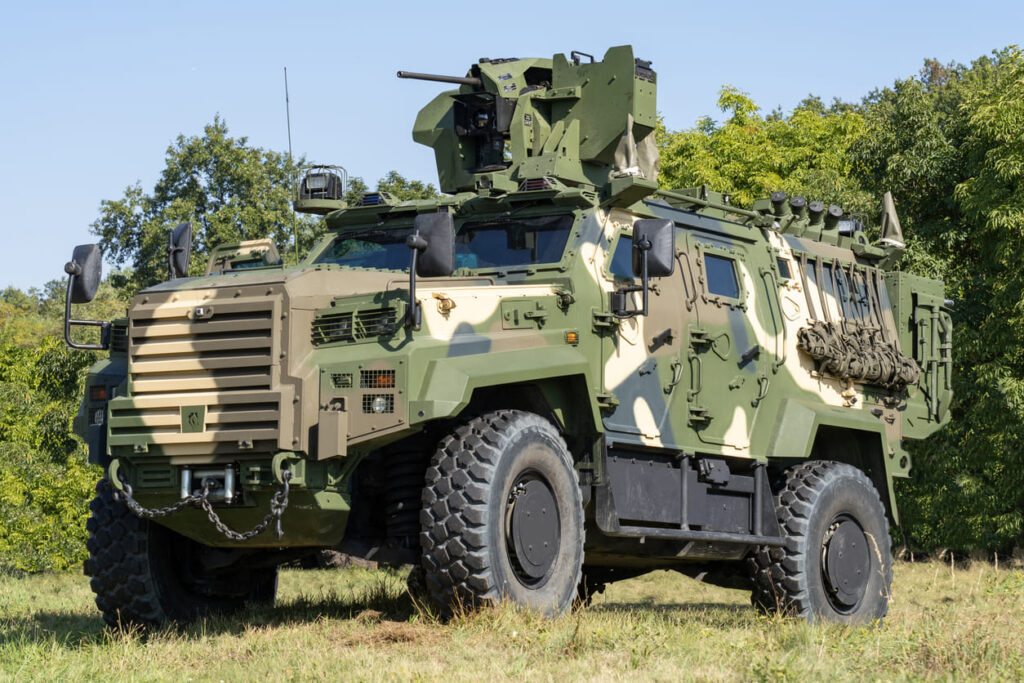
CNC machining produces components for weapons, vehicles, and other defense systems requiring extreme reliability.
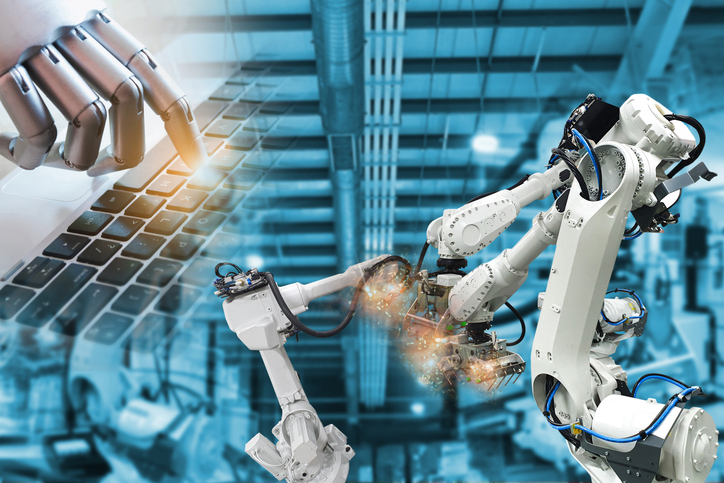
CNC machining enables creation of durable components for robotic systems, including gears, frames, and joints.
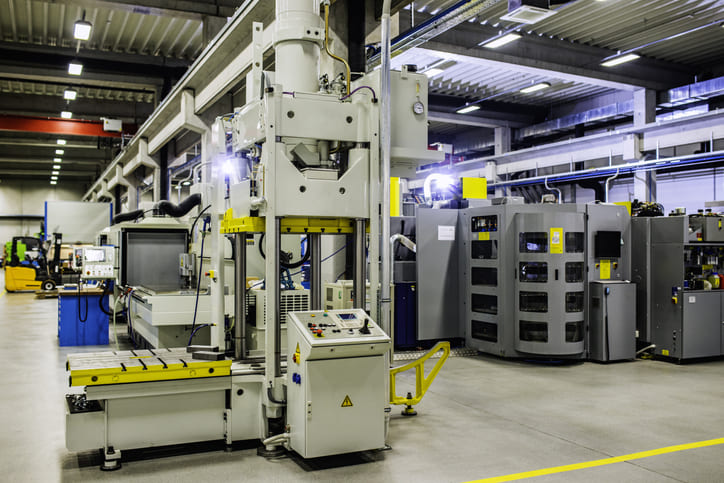
Various machines and tools require CNC machined parts for gears, shafts, and housings.
© 2026 XpertMFG. All Right Reserved.
Designed & Developed by  Innov Touch Technologies Pvt Ltd.