

Experience 3D printing services from China, transforming your innovative ideas into high-quality physical models and parts at competitive prices.
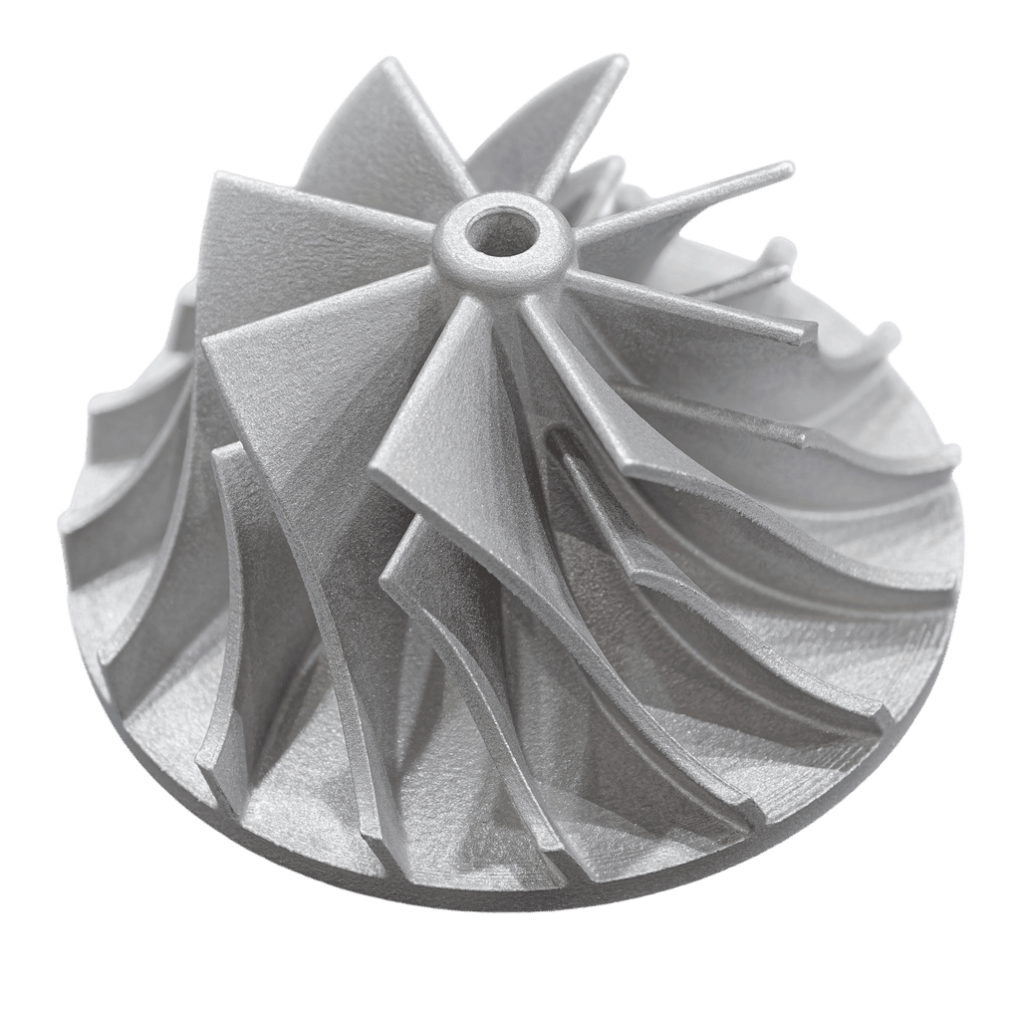
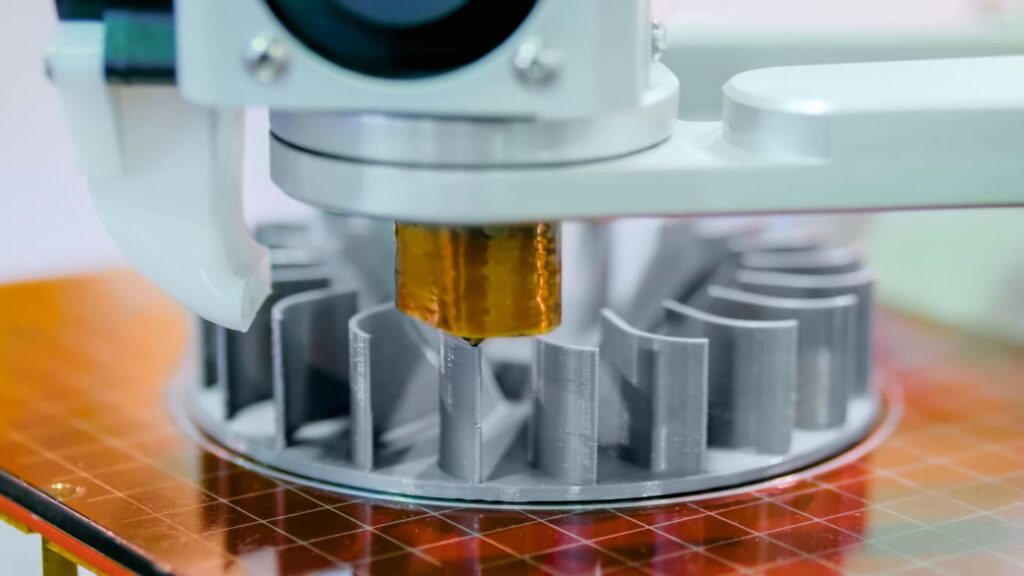
3D printing, also known as additive manufacturing, is a process of creating three-dimensional objects from a digital file by layering materials sequentially. It works by slicing the digital design into thin, horizontal layers and then building the object layer by layer from the bottom up. A 3D printer deposits the chosen material, which can range from plastics and metals to ceramics and biomaterials, through a controlled nozzle or other printing technology. Each layer is precisely added according to the digital blueprint, gradually forming the final product. This method allows for intricate designs, rapid prototyping, and customization, making it a versatile and revolutionary technology in various industries.
Enabling the creation of highly customized products tailored to individual needs and specifications without additional cost.
Significantly speeding up the prototyping process, allowing for quick iterations and faster time-to-market for new products.
Allowing for the production of complex geometries and intricate designs that are difficult or impossible to achieve with traditional manufacturing methods.
Additive manufacturing produces less material waste compared to subtractive processes, making it more environmentally friendly.
Don’t know much about the 3D printing process? Check out our 3D Printing Technology Chart to choose the best 3D printing technology for your project!
| 3D Printing Services | Process | Materials | Applications |
|---|---|---|---|
| Stereolithography (SLA) | Using a UV laser to cure liquid resin into solid plastic layer by layer. | Standard resins, tough resins, flexible resins, and high-temperature resins. | High-detail prototypes, dental molds, jewelry. |
| Multi Jet Fusion (MJF) | Using inkjet arrays to selectively apply fusing agents to a nylon powder bed, which is then fused by heating elements. | Nylon powders. | Functional prototypes, end-use parts, complex geometries. |
| Selective Laser Sintering (SLS) | Using a laser to sinter powdered material, fusing it layer by layer to create a solid structure. | Nylon, TPU, metal powders. | Functional prototypes, complex geometries, durable parts. |
| Fused Deposition Modeling (FDM) | Melting and extruding thermoplastic filament layer by layer to build parts. | PLA, ABS, PETG, nylon, and more. | Prototyping, hobbyist projects, functional parts. |
| PolyJet | Jetting layers of photopolymer resin and curing them with UV light. | Various photopolymers, including flexible and rigid resins. | Multi-material prototypes, detailed models, medical models. |
| Direct Metal Laser Sintering (DMLS) | Using a laser to fuse metal powder into solid parts. | Stainless steel, titanium, aluminum, and other metal alloys. | Aerospace parts, medical implants, industrial components. |
Strong, durable, and impact-resistant. Commonly used for automotive parts, toys, and electronic housings.
Combines the ease of PLA with the strength and durability of ABS. Suitable for food containers and mechanical parts.
Flexible, strong, and durable. Ideal for functional prototypes and end-use parts.
Flexible and elastic. Used for wearable items, phone cases, and seals.
High temperature and corrosion resistance. Used in aerospace and chemical processing.
Excellent electrical and thermal conductivity. Used for electrical components and heat exchangers.
Strong and corrosion-resistant. Used for functional parts in aerospace, medical, and automotive industries.
Lightweight and strong. Used in aerospace, medical implants, and high-performance applications.
Provides a smooth surface finish by manually or mechanically sanding the part to remove layer lines and rough spots.
Achieves a glossy, high-shine finish by buffing the part to a smooth and reflective surface.
Adds vibrant colors and a protective coating to the part using spray or hand painting techniques.
Coats the part with a thin layer of metal, such as nickel or copper, to enhance its strength, conductivity, and aesthetic appeal.
Coats the part with a durable, protective layer of powder paint, offering a range of colors and finishes.
Uses chemical vapors to smooth the part’s surface, resulting in a shiny and professional finish, particularly for ABS and similar materials.
Imparts color to nylon and other porous materials by submerging the part in a dye solution.
Applies a resin coating for a smooth, glossy, and durable surface finish, ideal for parts that need to be both visually appealing and resilient.
Offers a variety of surface textures, from matte to semi-gloss to high-gloss, depending on the desired look and feel of the part.
Enhances the mechanical properties of the part by applying controlled heating and cooling processes, improving its strength, durability, and overall performance.
3D printing technology has revolutionized the manufacturing landscape, offering unprecedented flexibility and efficiency. At Richconn, we harness the power of 3D printing to provide innovative solutions across a wide range of industries. Here are some common applications where our 3D printing technology excels:
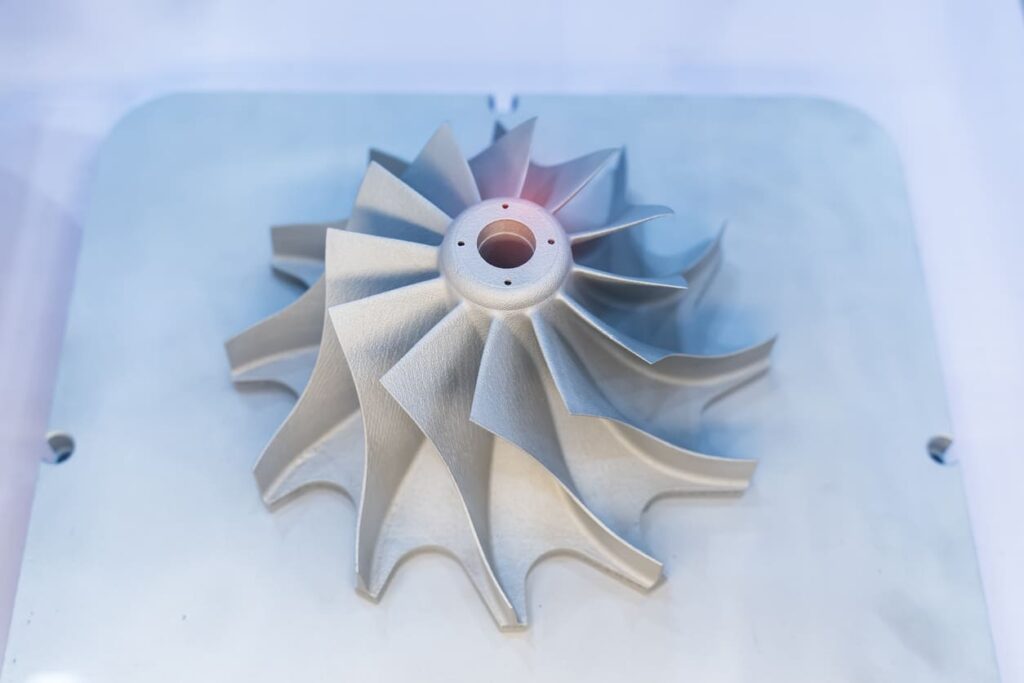
It allows designers and engineers to quickly produce tangible models of their concepts, facilitating iterative testing and refinement.
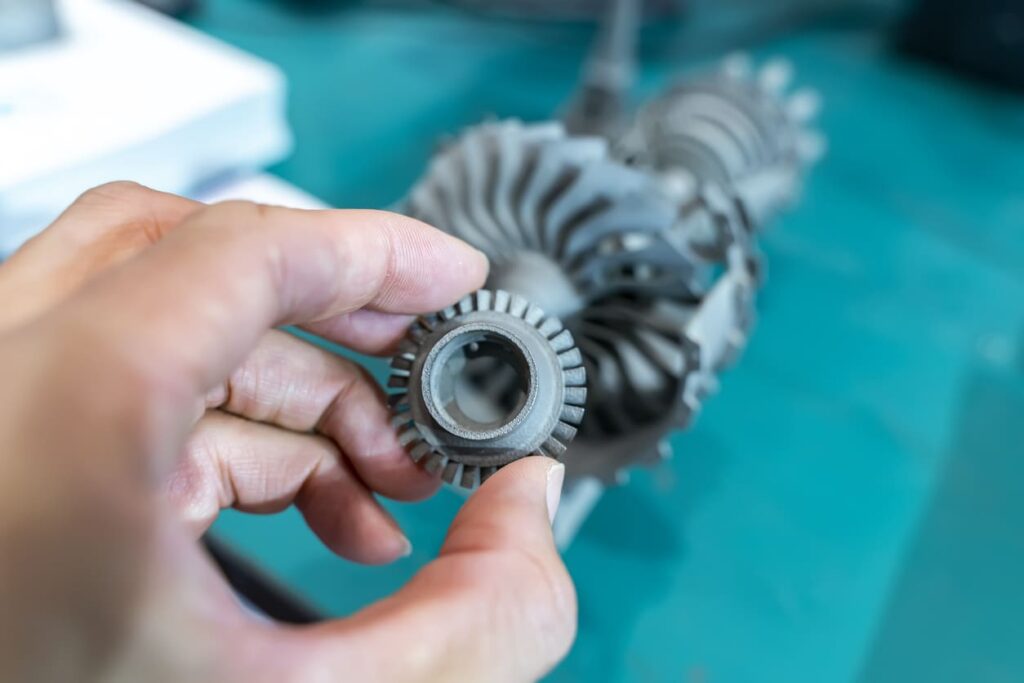
Industrial manufacturing leverages 3D printing for producing end-use parts, jigs, fixtures, and assembly aids.
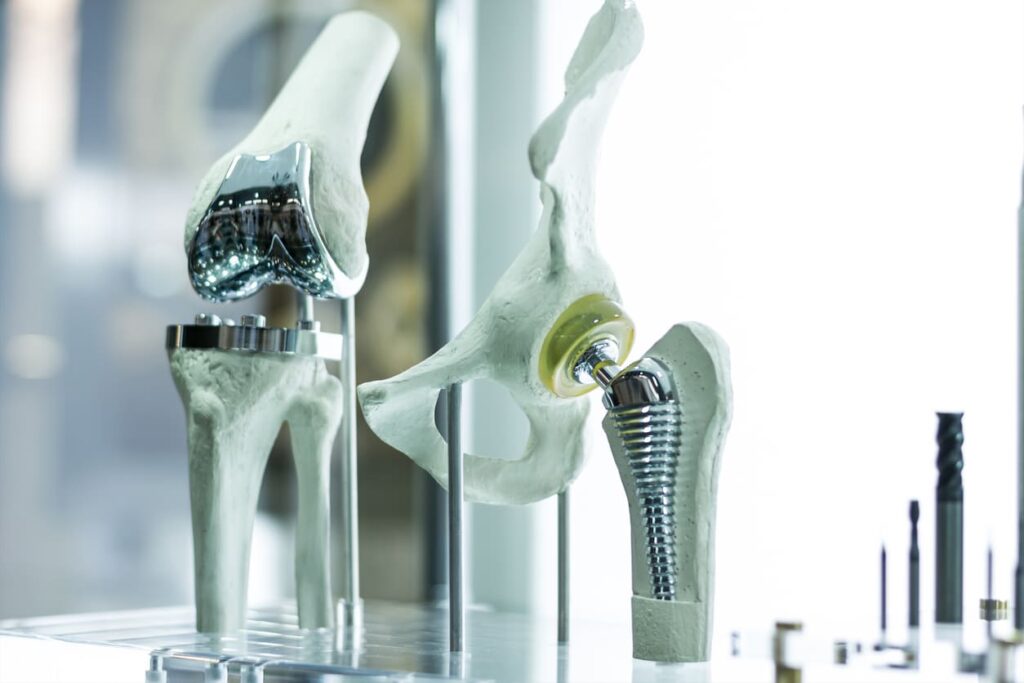
3D printing is used to create patient-specific implants, prosthetics, and dental appliances.
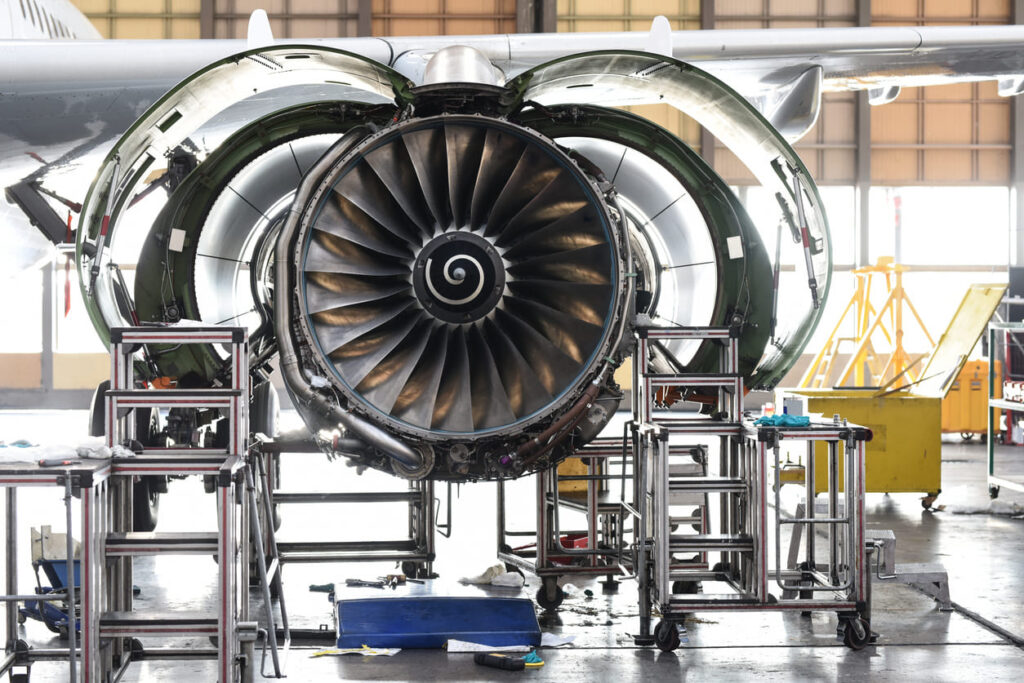
The aerospace and automotive industries benefit from 3D printing’s ability to produce lightweight and complex parts.
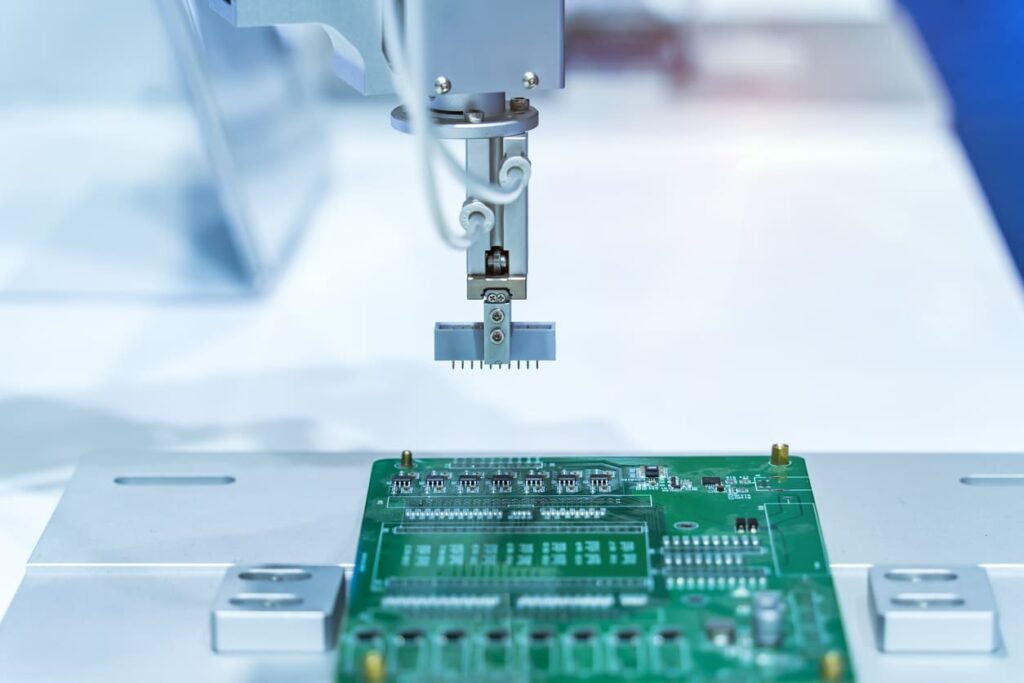
The electronics industry uses 3D printing to produce complex and compact components, such as circuit boards and housings.
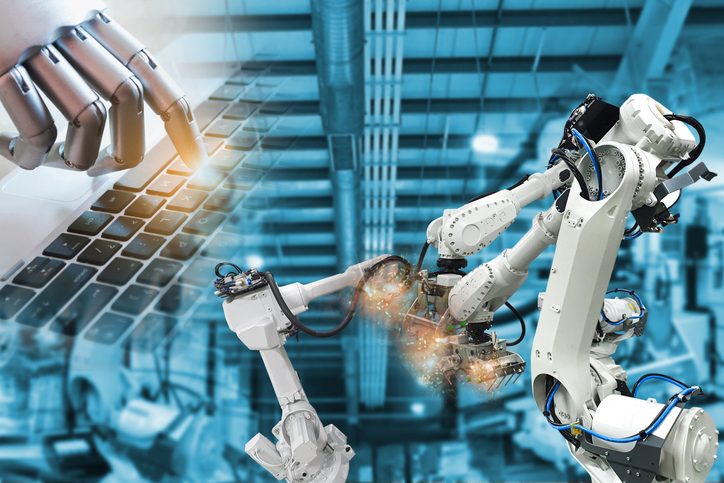
Robotics applications benefit from 3D printing by producing lightweight, strong, and complex components.
Our advanced equipment allows us to achieve tolerances as tight as ±0.1 mm.
Our streamlined processes and efficient production capabilities enable us to deliver parts in as little as 48 hours for standard orders.
From durable plastics like ABS and nylon to high-strength metals like stainless steel and titanium, our material options ensure that you can find the perfect match for your application.
By leveraging advanced technology and optimized production processes, we can offer competitive pricing that helps you stay within budget while still receiving top-notch parts.
Navigating the complexities of 3D printing can be challenging, but you don’t have to do it alone. Our team of experienced engineers and technicians is here to support you every step of the way.
Sustainability is a key consideration in our operations. We utilize eco-friendly materials and practices to minimize waste and reduce our environmental footprint.
Begin by reaching out to us for an initial consultation. During this phase, we’ll discuss your project requirements, goals, and any specific challenges you might be facing.
If you already have a design, you can provide us with the necessary CAD files (STL, OBJ, or other formats). Need help with design? Our team can assist in creating or refining your 3D model.
We’ll provide you with a detailed quotation outlining all costs related to printing, post-processing, and additional services required.
We’ll keep you updated on the progress of your project and notify you once printing is complete.
Depending on your project’s needs, we offer various post-processing options to enhance the appearance and functionality of your parts.
Before delivery, we check for dimensional accuracy, surface finish, and overall integrity.
© 2026 XpertMFG. All Right Reserved.
Designed & Developed by  Innov Touch Technologies Pvt Ltd.