

Frustrated with subpar plastic CNC machining? Choose XpertMFG for precision, speed, and quality. Perfect parts, on time, every time. Experience excellence today!
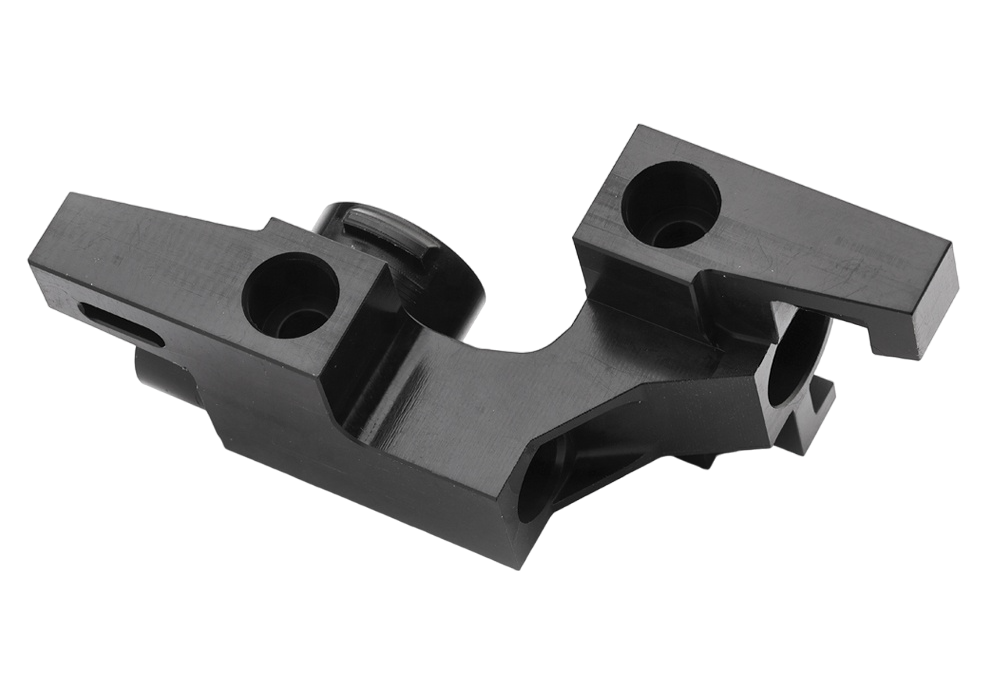
Selecting the right plastic is essential for achieving optimal results in CNC machining. Whether you need strength, flexibility, or resistance to chemicals, understanding these materials will help you choose the best option for your project.
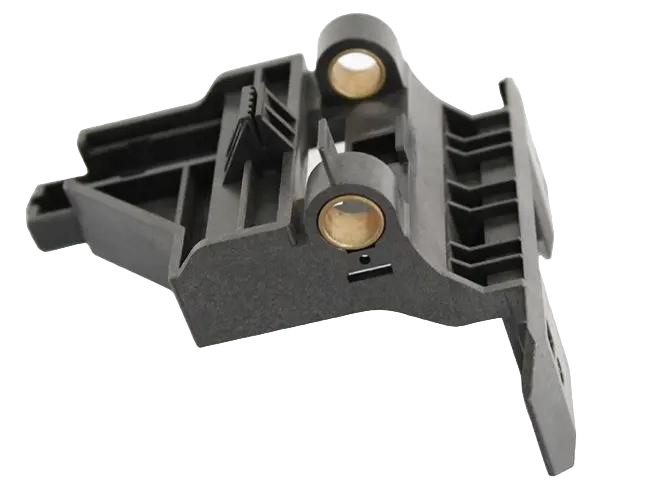
ABS is a versatile thermoplastic known for its impact resistance, toughness, and ease of machining. It is widely used in applications that require strong, lightweight materials with good surface quality. ABS can be easily painted, glued, and thermoformed, making it ideal for automotive parts, consumer products, and electronic housings. Its high dimensional stability and resistance to various chemicals enhance its suitability for complex and demanding CNC machined components.
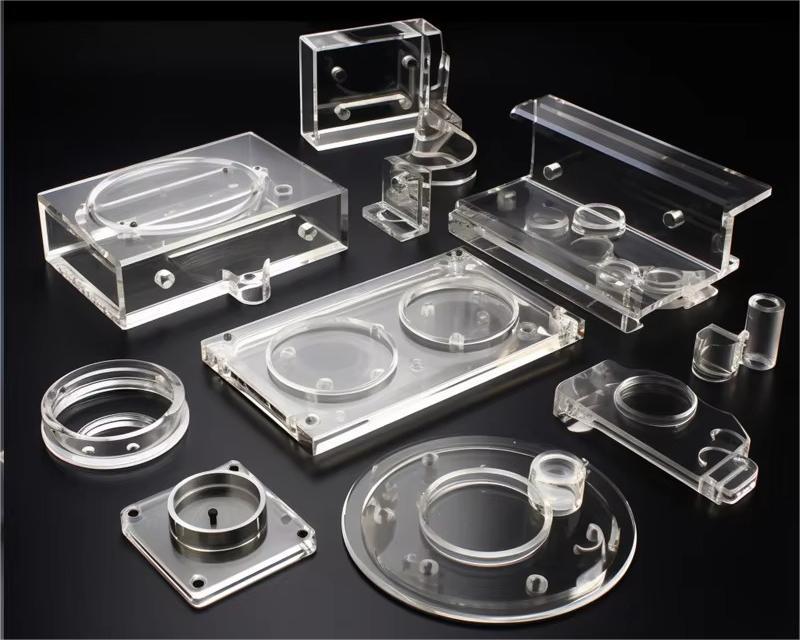
Polycarbonate is a robust engineering plastic renowned for its exceptional strength, transparency, and heat resistance. It offers superior impact resistance compared to most plastics and maintains its toughness over a wide temperature range. Polycarbonate is commonly used in the production of safety equipment, optical disks, and machine guards. Its excellent dimensional stability and machinability make it a preferred choice for applications requiring precision and durability.
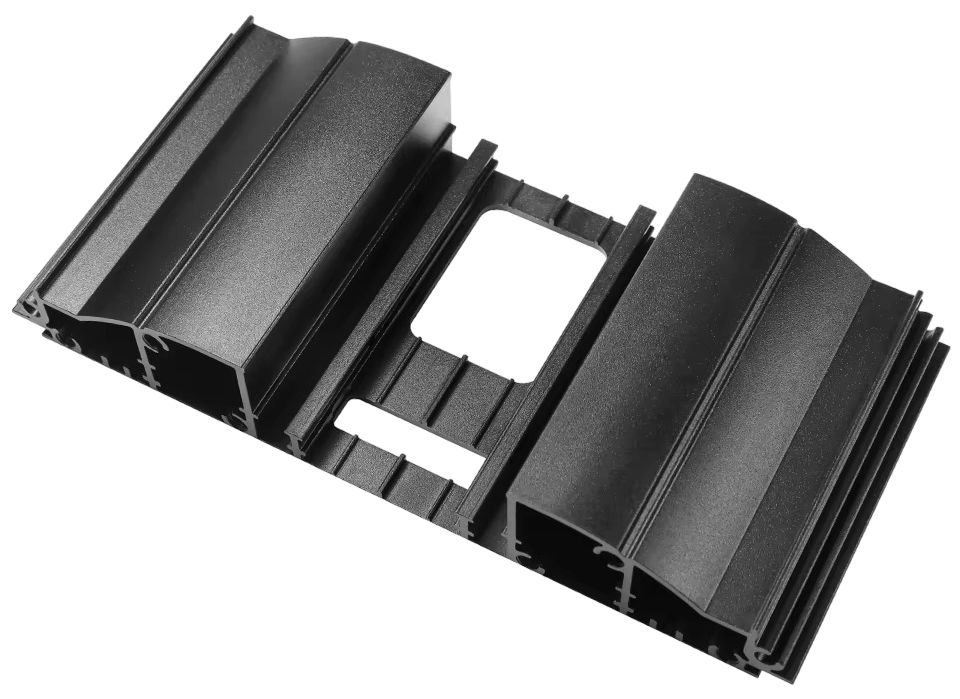
POM, often known by the brand name Delrin, is a highly crystalline engineering thermoplastic characterized by its high mechanical strength, stiffness, and low friction. It exhibits excellent wear resistance and dimensional stability, making it suitable for precision parts like gears, bearings, and bushings. POM's low moisture absorption and good chemical resistance further contribute to its widespread use in automotive, aerospace, and industrial applications.
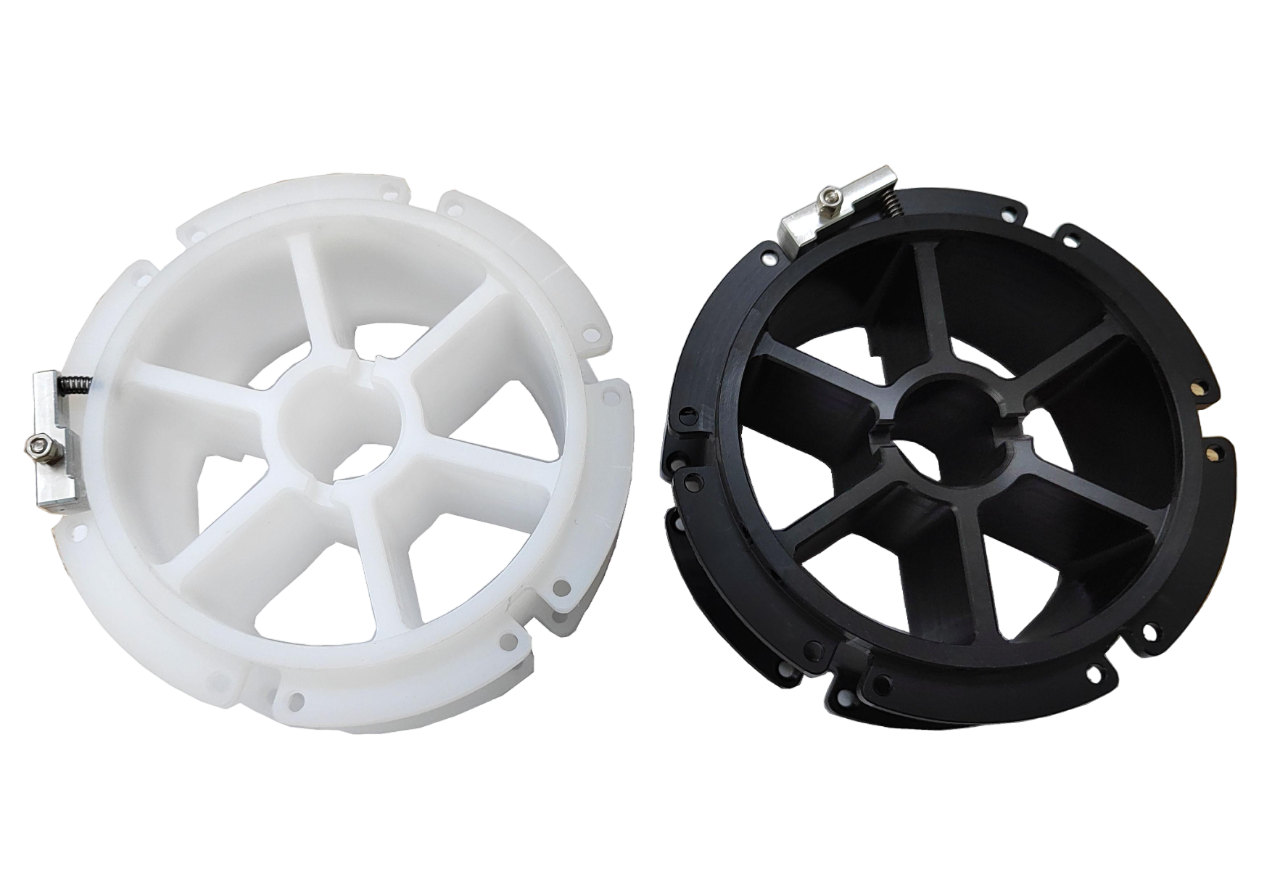
PTFE, commonly referred to as Teflon, is a fluoropolymer renowned for its outstanding chemical resistance, low friction, and high-temperature tolerance. It is an excellent insulator and is widely used in applications that require non-stick surfaces and resistance to harsh environments, such as in the chemical processing industry, electrical components, and food-grade equipment. PTFE's machinability allows for the creation of intricate components with precise tolerances.
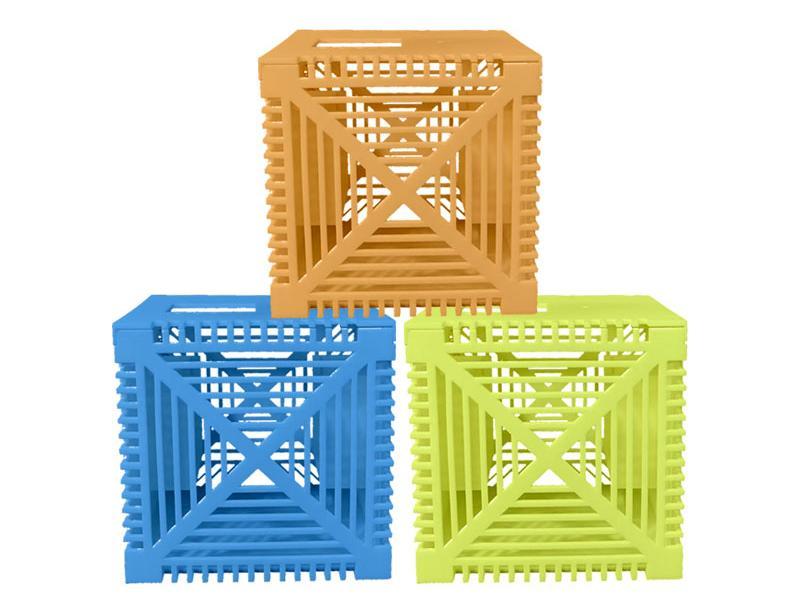
Nylon is a popular engineering plastic known for its high tensile strength, flexibility, and wear resistance. It is often used in applications requiring strong and durable materials, such as gears, fasteners, and automotive components. Nylon's ability to withstand repetitive motion and impact makes it ideal for mechanical parts subjected to continuous stress. Additionally, it exhibits good chemical resistance and machinability, allowing for precise and reliable CNC machining.
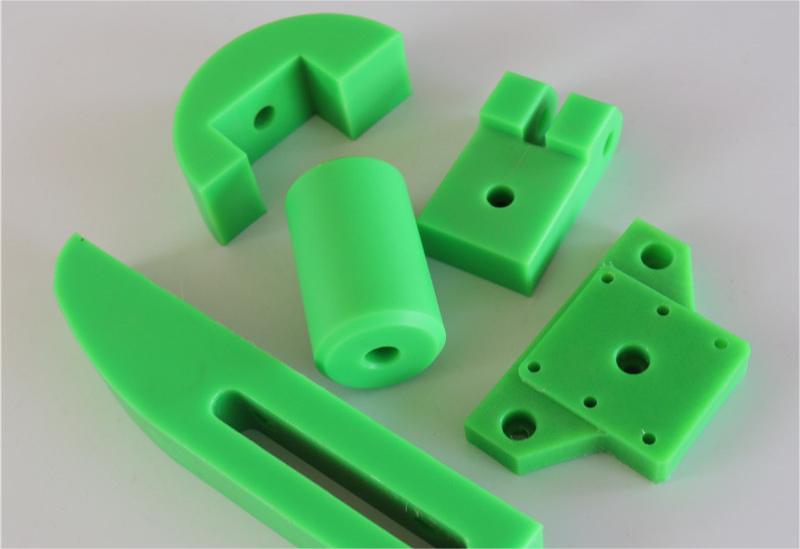
UHMWPE is a highly durable plastic with a very high impact strength, excellent wear resistance, and a low coefficient of friction. It is often used in applications requiring heavy-duty performance, such as in conveyor systems, liners, and wear strips. UHMWPE's outstanding abrasion resistance and low moisture absorption make it suitable for environments where long-term durability and reliability are crucial. Its machinability allows for the production of large, complex components with high precision.
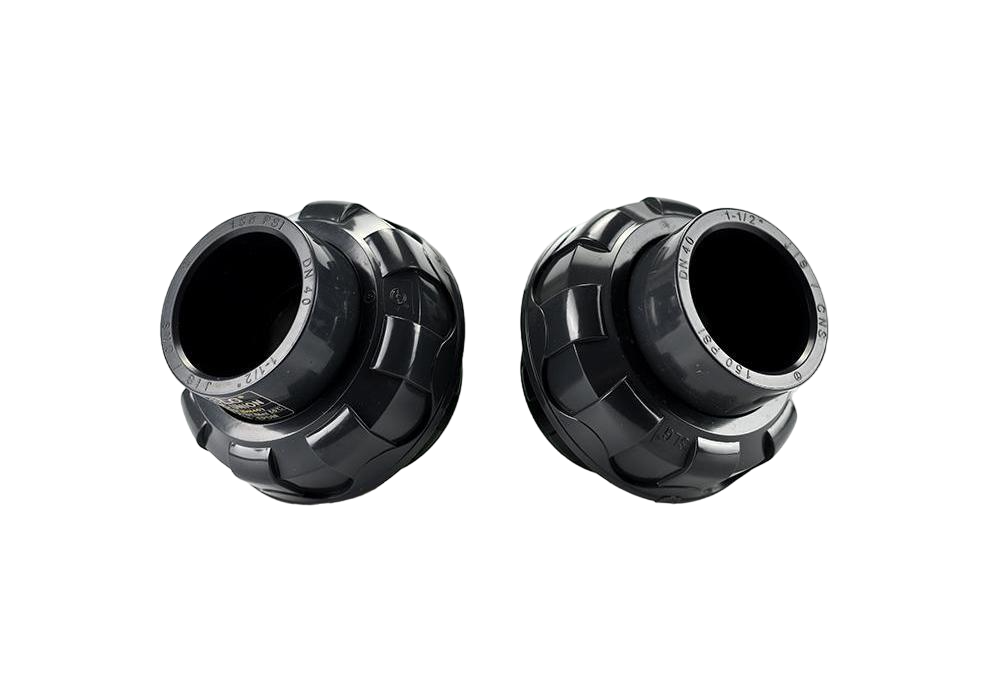
PVC is a widely used plastic known for its chemical resistance, rigidity, and versatility. It is commonly used in construction, piping, and electrical insulation. Rigid PVC is easy to machine and offers good dimensional stability, making it suitable for various industrial applications. Its resistance to acids, bases, and other chemicals, along with its flame retardant properties, enhances its suitability for use in harsh environments.
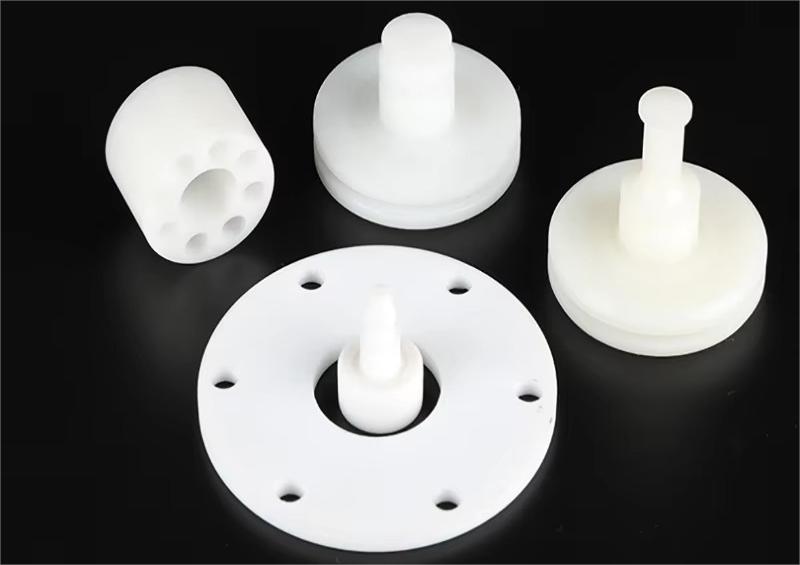
HDPE is a strong, lightweight, and chemically resistant plastic commonly used in applications such as piping, containers, and cutting boards. It offers excellent impact resistance and tensile strength, making it suitable for heavy-duty applications. HDPE is easy to machine and has low moisture absorption, which contributes to its dimensional stability and longevity in outdoor and industrial environments.
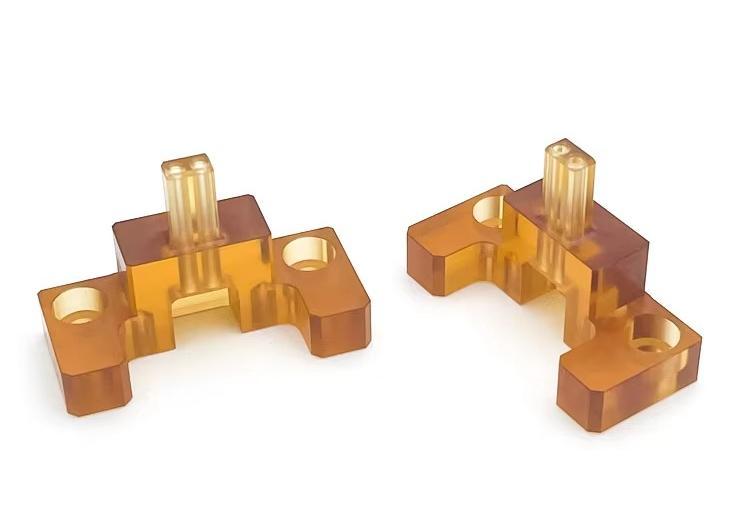
PEI, commonly known by the brand name Ultem, is an amorphous thermoplastic with high strength, rigidity, and thermal stability. It maintains its mechanical properties at elevated temperatures and exhibits excellent resistance to chemicals and flame. PEI is widely used in aerospace, automotive, and medical industries for components that require exceptional dimensional stability and high-performance under thermal stress. Its machinability makes it suitable for complex and precise parts.
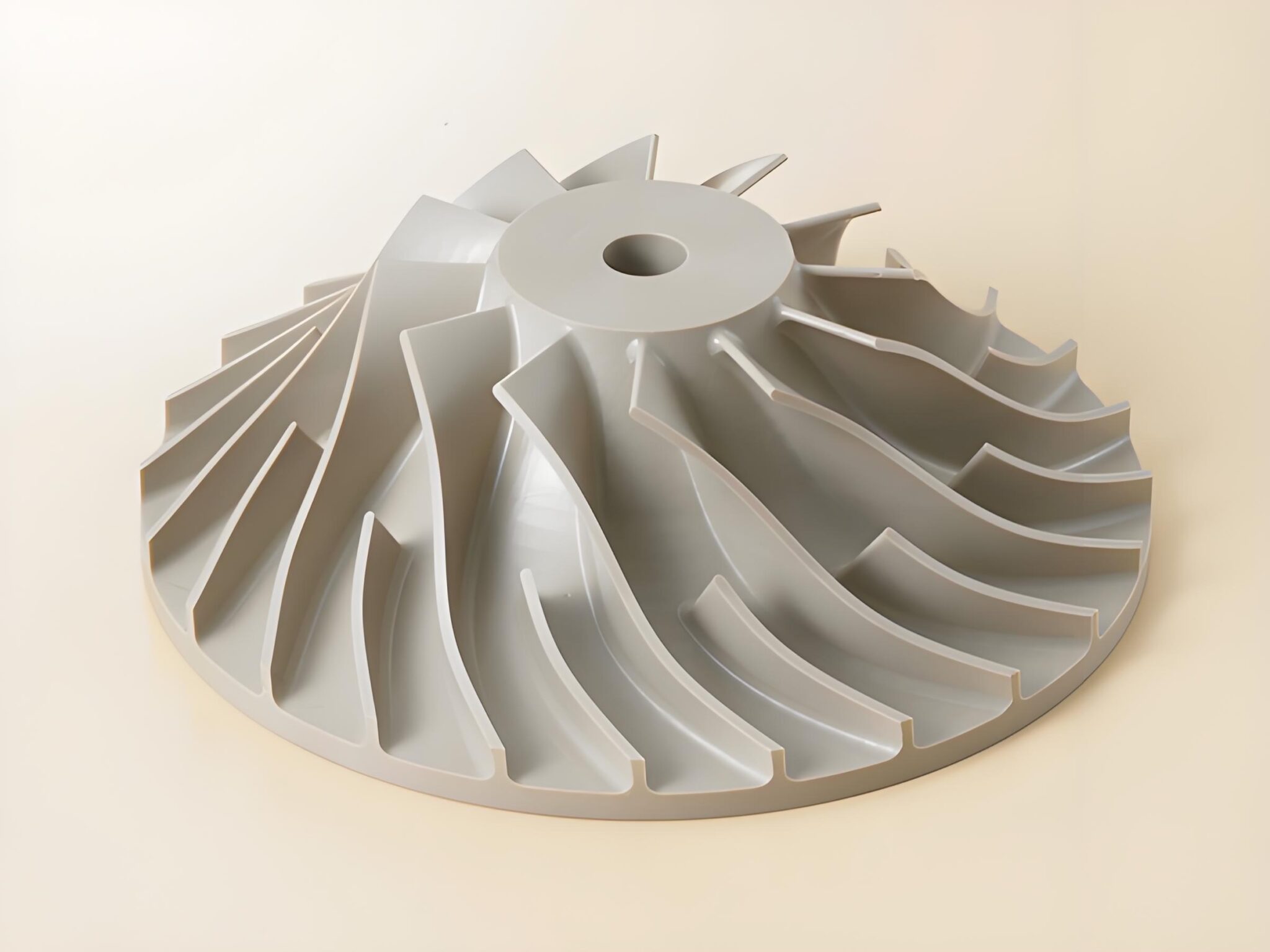
PEEK is a high-performance engineering thermoplastic known for its remarkable mechanical properties, chemical resistance, and thermal stability. It can withstand continuous use at high temperatures and is highly resistant to wear, making it ideal for demanding applications in aerospace, medical, and oil & gas industries. PEEK is often used for components like bearings, seals, and medical implants. Its machinability allows for the production of intricate and precise parts.
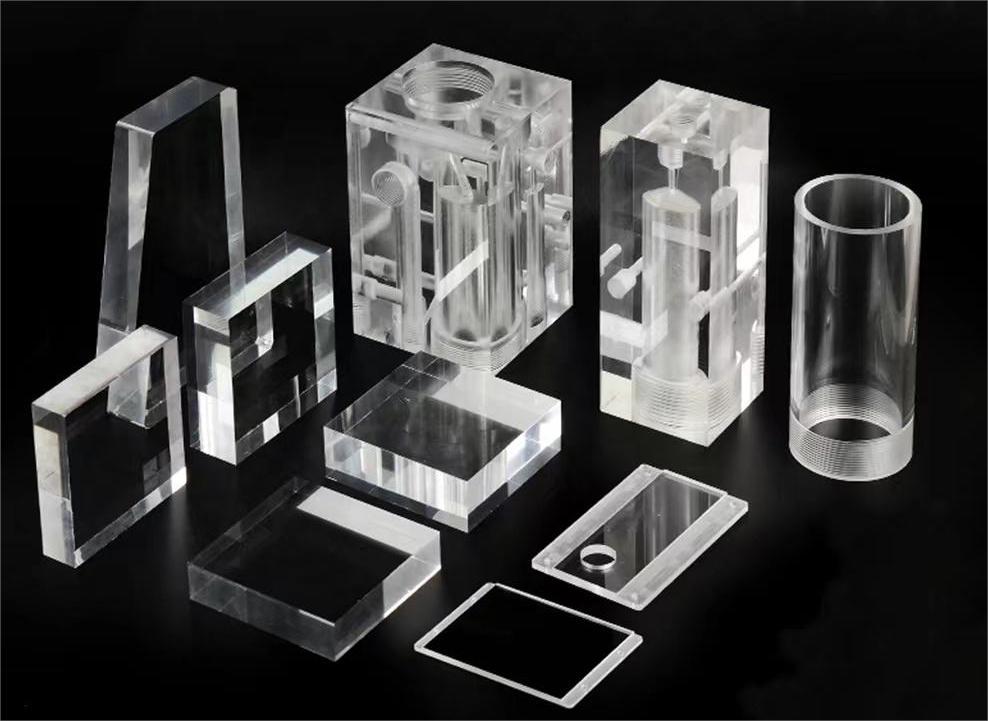
PMMA, commonly known as acrylic or Plexiglas, is a transparent thermoplastic with excellent optical clarity, weather resistance, and ease of machining. It is frequently used as a lightweight and shatter-resistant alternative to glass in applications such as windows, lenses, and display cases. PMMA's ability to maintain clarity over time and resistance to UV light makes it suitable for both indoor and outdoor applications.
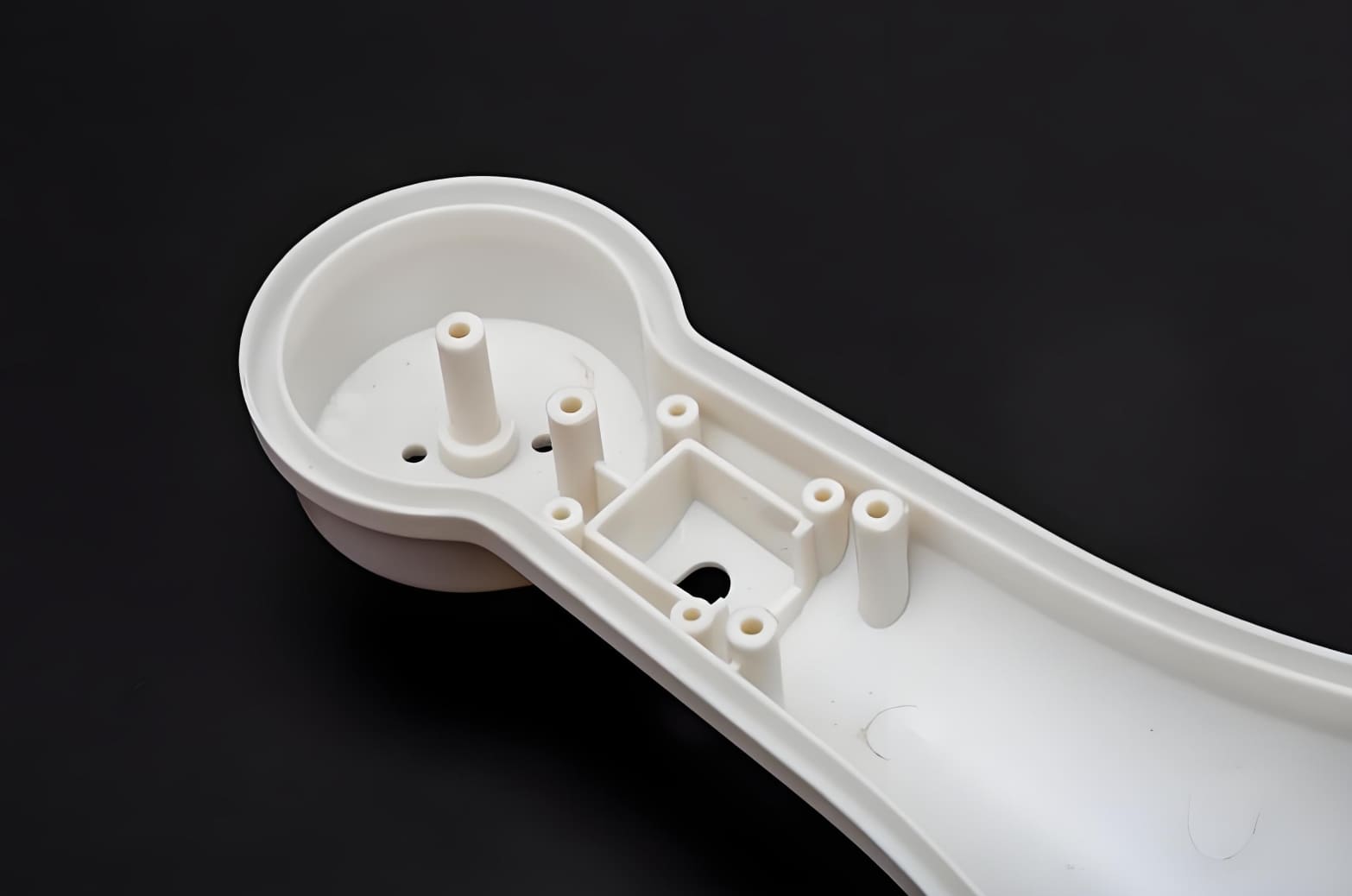
Polypropylene is a versatile thermoplastic known for its chemical resistance, fatigue resistance, and low density. It is commonly used in packaging, automotive components, and medical devices. Polypropylene's ability to withstand repeated flexing and bending without cracking, along with its ease of machining, makes it ideal for living hinges, containers, and laboratory equipment. Its good chemical resistance extends its applicability to a variety of industrial environments.
In today’s manufacturing landscape, precision, efficiency, and versatility are paramount. CNC machining stands at the forefront of these demands, offering a suite of benefits that make it the ideal choice for working with plastic materials.
When dealing with plastic materials, achieving consistent dimensions and intricate designs can be challenging. CNC machines excel in this area, delivering tight tolerances and repeatability.
Traditional methods often require manual intervention, which can slow down production and introduce errors. CNC machines, once programmed, can run continuously and autonomously, drastically reducing production times and increasing overall efficiency.
Plastics often require complex shapes and fine details that can be difficult to achieve with manual methods. CNC technology allows for the creation of intricate designs and complex geometries with high precision.
CNC technology is highly efficient in terms of material usage. The precision of CNC machining means that there is minimal waste material, which is not only cost-effective but also environmentally friendly.
CNC machining reduces the need for manual labor, which not only cuts labor costs but also minimizes the risk of human error.
CNC machines operate within enclosed environments, reducing the risk of injury to operators. This is particularly beneficial when working with plastics that might produce harmful dust or fumes during processing.
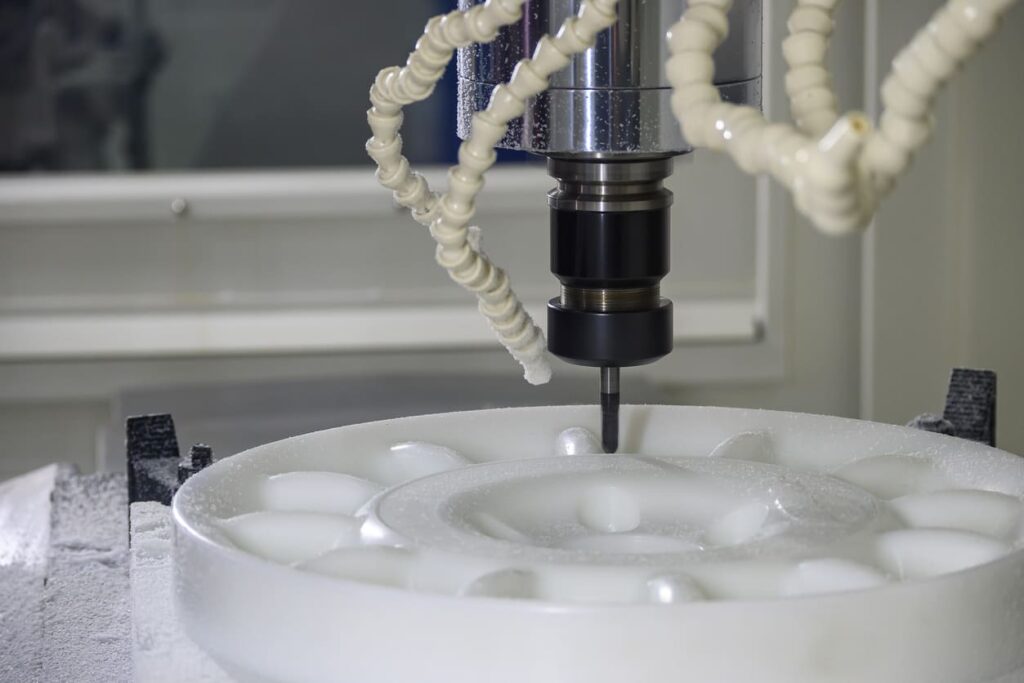
CNC milling of plastics is a precise and versatile manufacturing process that uses computer-controlled machinery to remove material from a solid plastic block to create intricate parts and components. This process ensures high accuracy, tight tolerances, and smooth surface finishes, making it ideal for various industries and applications.
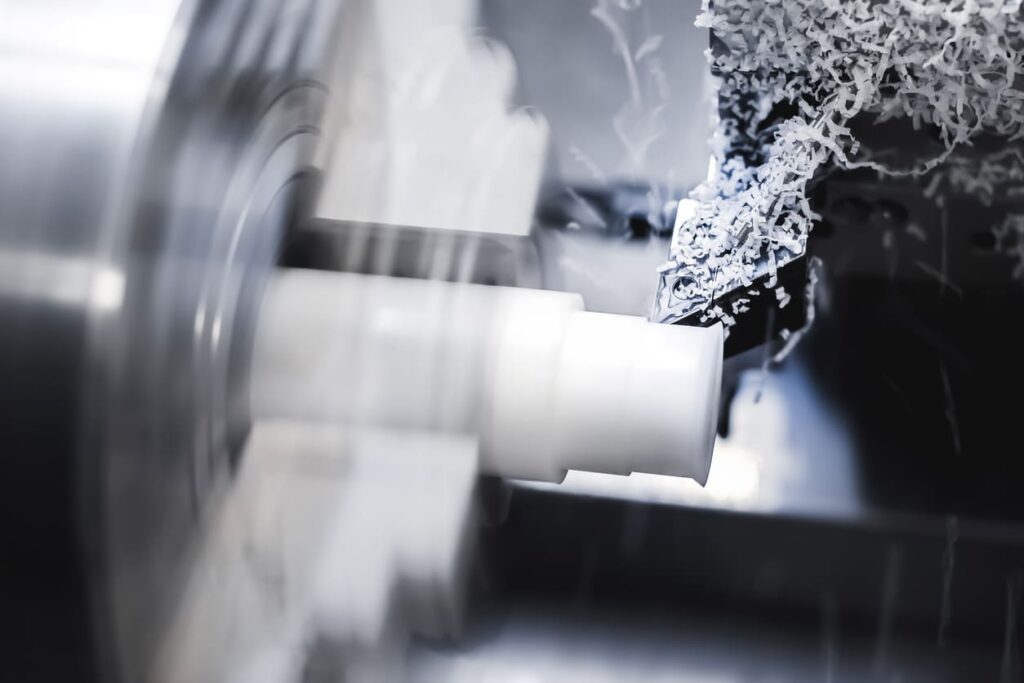
Plastic CNC turning is a machining process that involves rotating a plastic workpiece while a cutting tool shapes it to create the desired part. This method is ideal for producing complex cylindrical shapes with high precision and smooth finishes.
Finding the right CNC machining manufacturer can be a daunting task. The stakes are high, as the precision and quality of your parts can significantly impact your project’s success. We understand the challenges you face and are here to provide solutions that meet your exact needs.
State-of-the-art CNC machines achieve tolerances as tight as ±0.001 inches, ensuring parts meet exact specifications.
Advanced polishing techniques ensure a smooth surface finish with a roughness average (Ra) as low as 0.2 micrometers.
Tailor-made machining solutions, including custom tooling and fixtures, meet specific project needs.
Optimized machining processes and minimal material waste ensure competitive pricing without compromising quality.
Commitment to punctuality ensures projects are delivered on schedule, with over 95% of orders shipped on time.
Dedicated customer support team available at every stage, from initial consultation to final delivery.
Welcome to our CNC Machining FAQ Board! Here, we address the most common questions and challenges related to machining plastic materials.
We’ve got a few tricks up our sleeves for that:
Some plastics do pose more of a challenge, such as:
We handle tool wear by:
To get that perfect finish, we:
Managing chips is key, and we do it by:
© 2026 XpertMFG. All Right Reserved.
Designed & Developed by  Innov Touch Technologies Pvt Ltd.