

Customized precision parts made of carbon fiber material according to your needs, made in China, trustworthy!
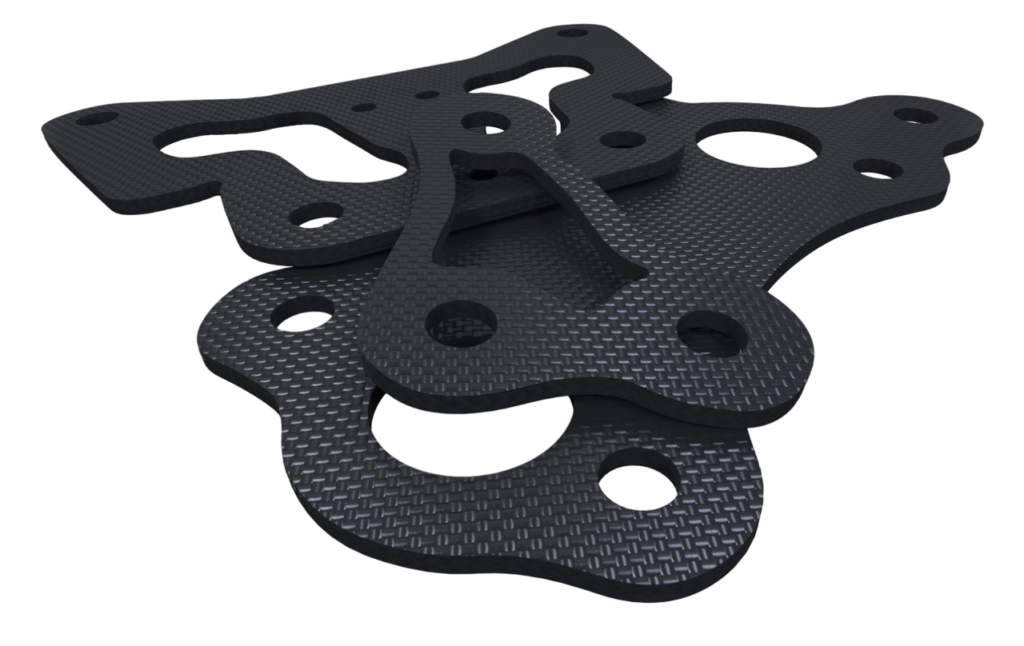
Known for their exceptional strength, lightweight properties, and versatility, carbon fiber composites are transforming industries from aerospace to automotive, sports to medical devices.
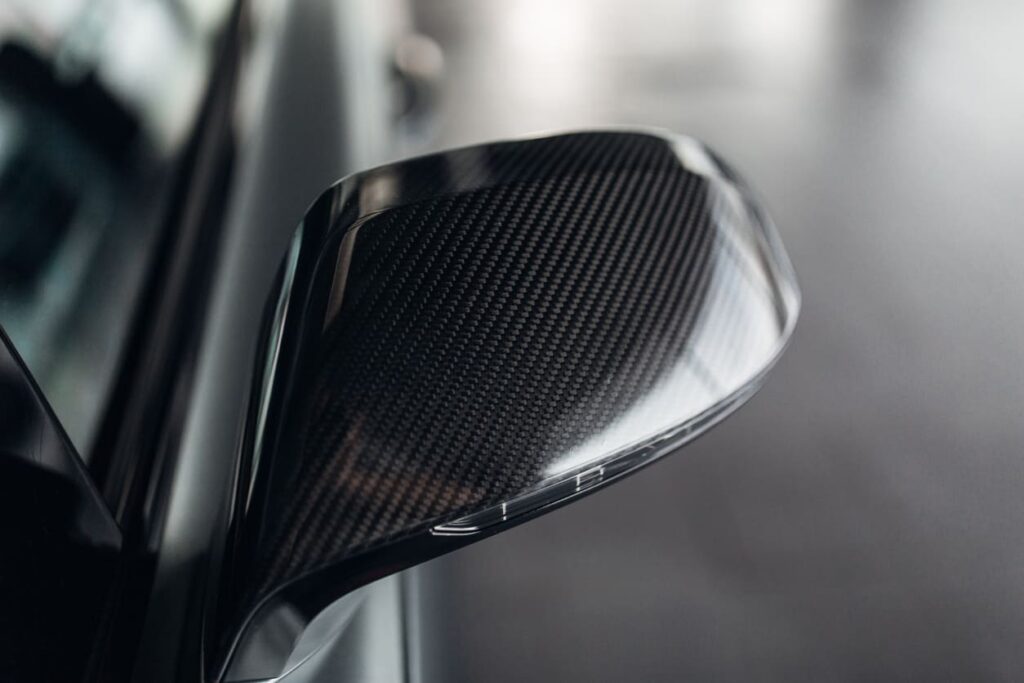
Carbon fiber is revolutionizing the automotive industry by significantly reducing the weight of vehicles while maintaining structural integrity and safety. This reduction in weight improves fuel efficiency and vehicle performance. Carbon fiber composites can cut vehicle weight by up to 50% and improve fuel efficiency by around 35%, potentially saving thousands of dollars in fuel costs over the vehicle’s lifespan. This material is commonly used in high-performance sports cars, racing cars, and increasingly in mainstream automotive manufacturing.

The aerospace industry was one of the earliest adopters of carbon fiber, using it in everything from commercial airplanes to military aircraft and space vehicles. Carbon fiber’s high strength, light weight, and excellent fatigue resistance are critical for the demanding conditions faced by aerospace components. Applications include aircraft fuselage structures, wings, helicopter components, and propellers. The defense sector also uses carbon fiber for producing quiet, unmanned aerial vehicles (drones), and other advanced military equipment.
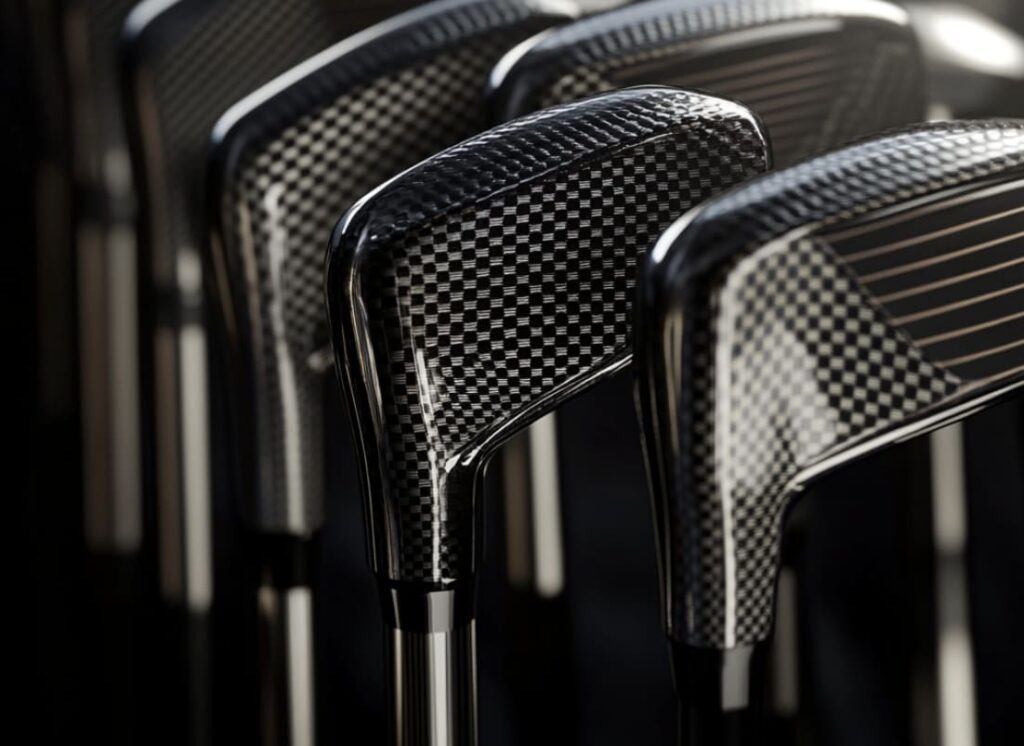
Carbon fiber’s combination of light weight and high strength makes it ideal for high-performance sporting equipment. It is widely used in the manufacture of bicycles, tennis rackets, hockey sticks, fishing rods, golf clubs, and archery bows. These applications benefit from carbon fiber’s ability to enhance performance and durability while reducing the overall weight of the equipment.
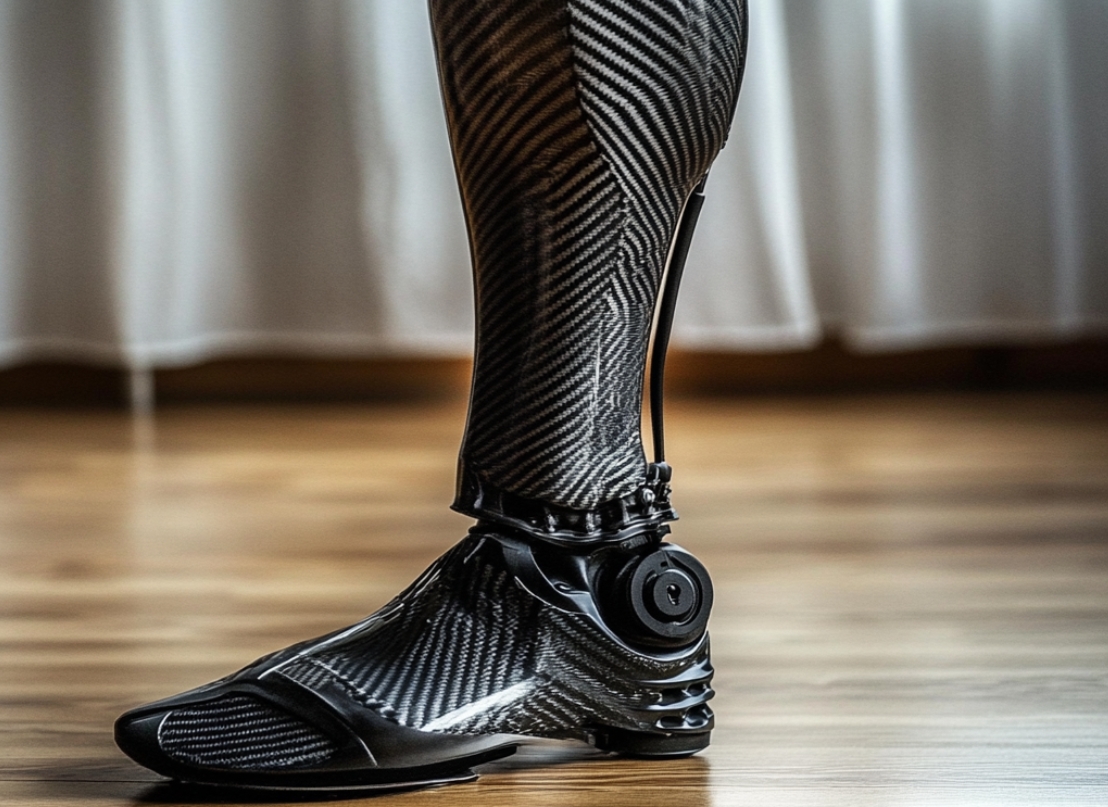
In the medical field, carbon fiber is used to produce a variety of medical devices and equipment, including prosthetics, orthotics, radiological imaging devices, and surgical instruments. Its radiolucency (transparency to X-rays) and lightweight properties make it an excellent material for medical applications where precision and patient comfort are paramount.
Carbon fiber is renowned for its exceptional properties, making it a preferred material in various high-performance applications.
Combining its high strength and low weight, carbon fiber offers one of the highest strength-to-weight ratios of any material.
Carbon fiber has a very high tensile strength, meaning it can withstand significant pulling forces without breaking.
The material is exceptionally stiff, making it resistant to deformation under load.
Carbon fiber is lightweight, which is one of its most notable advantages, particularly in industries like aerospace and automotive.
Carbon fiber has a low coefficient of thermal expansion, meaning it does not expand or contract significantly with temperature changes.
It can conduct heat well, which is useful in applications requiring efficient heat dissipation.
Carbon fiber is resistant to many chemicals and solvents, enhancing its durability in harsh environments.
While not as conductive as metals, carbon fiber does have some electrical conductivity.
Unlike metals, carbon fiber does not corrode, making it suitable for use in corrosive environments.
Carbon fiber has excellent fatigue resistance, meaning it can endure repeated loading and unloading cycles without significant degradation.
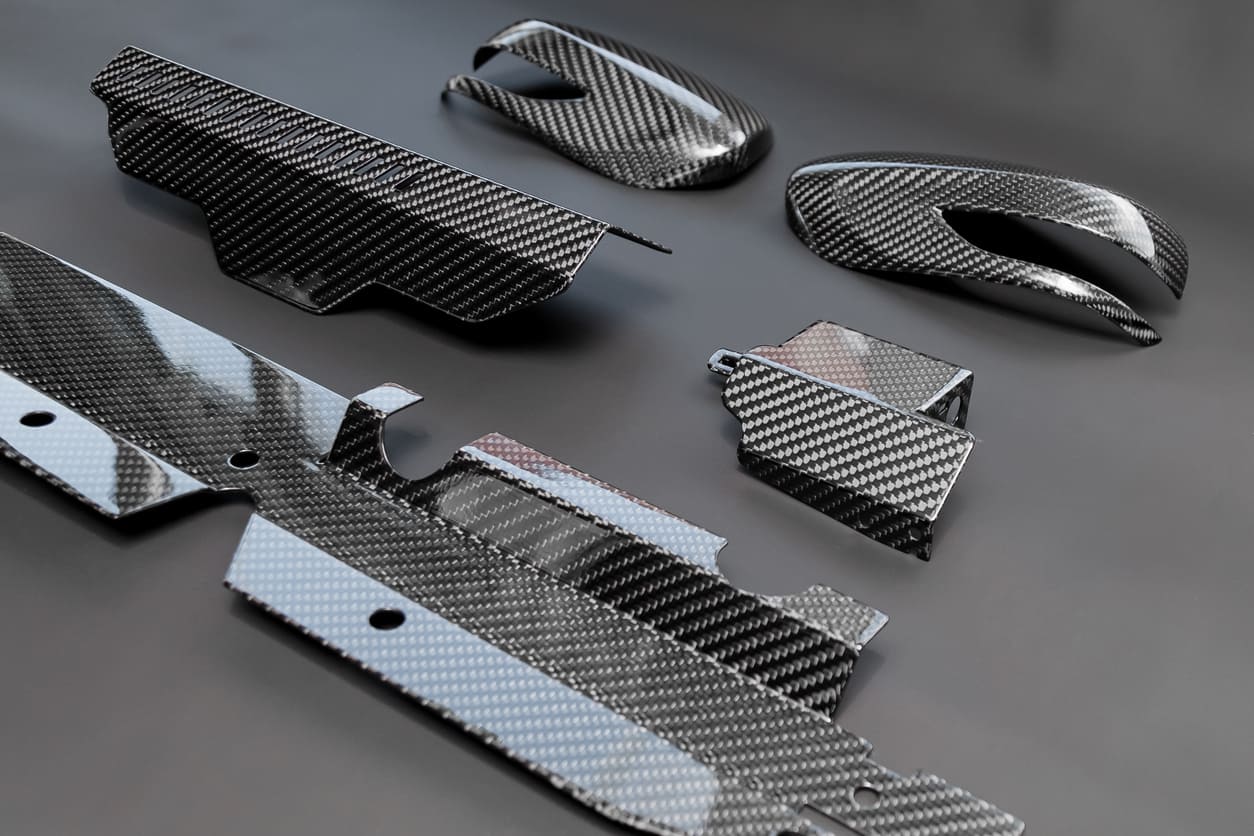
Carbon fiber is a high-strength, lightweight material composed of thin, strong crystalline filaments of carbon. These fibers are woven together to create fabric or combined with a matrix, such as plastic, to form a composite material.
Composition and Structure:
Carbon fiber is made from a polymer called polyacrylonitrile (PAN) or from pitch, a tar-like substance. The production process involves heating these materials to high temperatures in an inert atmosphere, which removes non-carbon atoms, leaving behind long chains of carbon atoms tightly bonded together. This process results in fibers that are incredibly strong and stiff yet lightweight.
Whether you’re looking for improved consistency in large production runs or the ability to handle complex geometries, CNC machining is the key to achieving superior results.
One of the most significant benefits of using CNC technology to process carbon fiber is the high level of precision and accuracy it offers. CNC machines are capable of cutting complex shapes and intricate designs with tolerances as tight as a few microns.
CNC technology ensures that every part produced is identical to the original design, maintaining consistency across large production runs. The ability to reproduce parts with high precision reduces the risk of defects and ensures that all parts meet stringent quality standards.
CNC machining is highly efficient, capable of operating 24/7 with minimal human intervention. The high-speed cutting capabilities of CNC machines enable quick processing of carbon fiber, reducing overall production time and increasing throughput.
CNC machines can handle complex geometries and detailed features that would be challenging or impossible to achieve with manual machining. This capability is particularly beneficial for carbon fiber, which is often used in applications requiring intricate designs and lightweight structures, such as in aerospace and high-performance sports equipment.
The precision of CNC machining minimizes material waste. CNC machines are programmed to optimize the cutting path and material usage, reducing scrap and conserving expensive carbon fiber materials. This efficiency is not only cost-effective but also environmentally friendly, as it leads to less waste and more sustainable manufacturing practices.
CNC machining provides superior surface finish quality compared to traditional methods. The precise control over cutting parameters ensures smooth edges and surfaces, which is essential for applications where the aesthetics and aerodynamics of the carbon fiber parts are important, such as in automotive and consumer electronics.
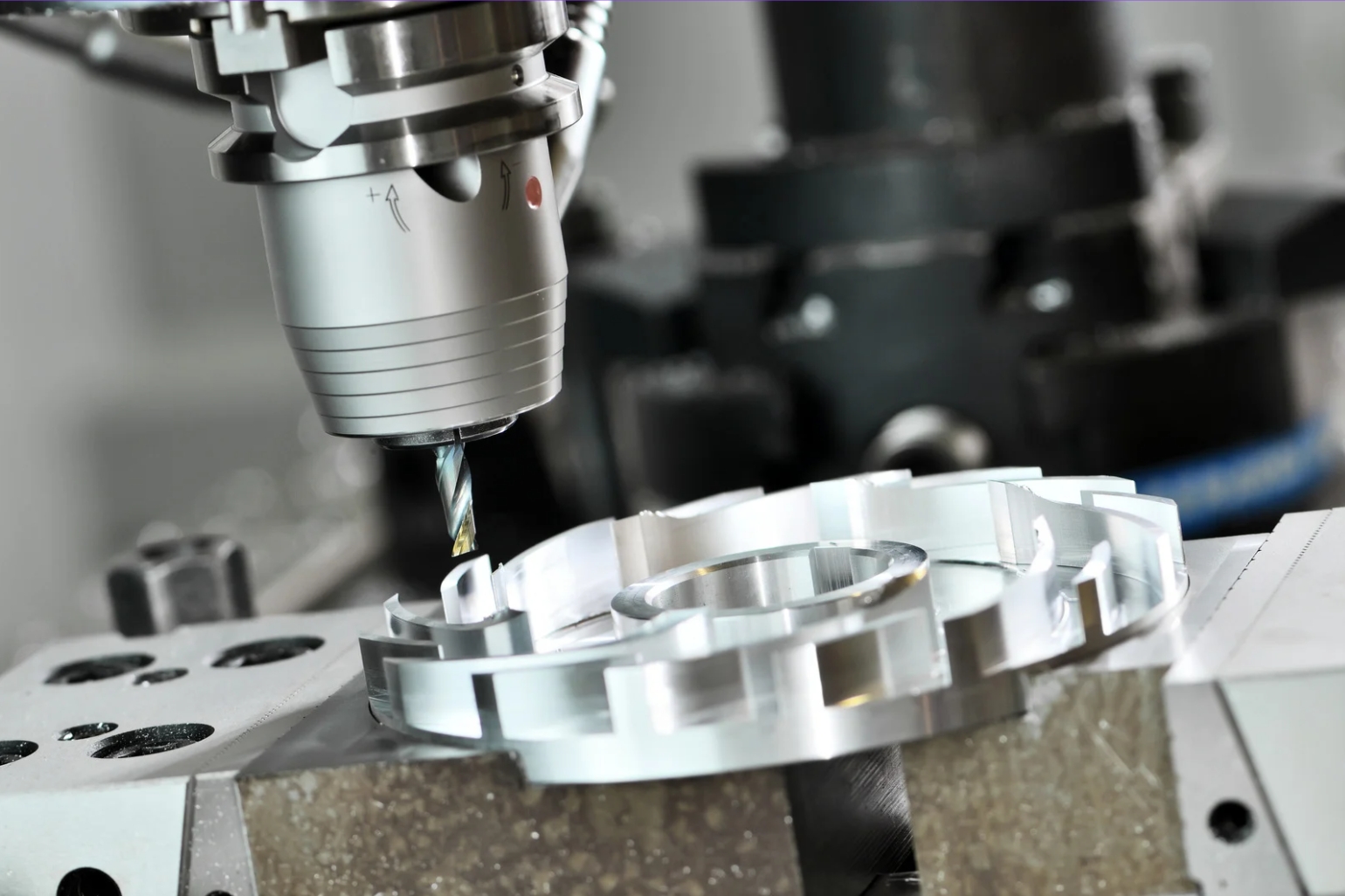
CNC milling uses rotary cutters to remove material from the carbon fiber workpiece, allowing for the creation of complex shapes and detailed parts. This process is highly precise and supports specialized tooling, such as diamond-coated or carbide cutters, to prevent delamination and excessive tool wear. Milling carbon fiber also involves optimizing speeds and feeds to minimize heat buildup and ensure clean cuts, making it suitable for intricate and high-precision applications.
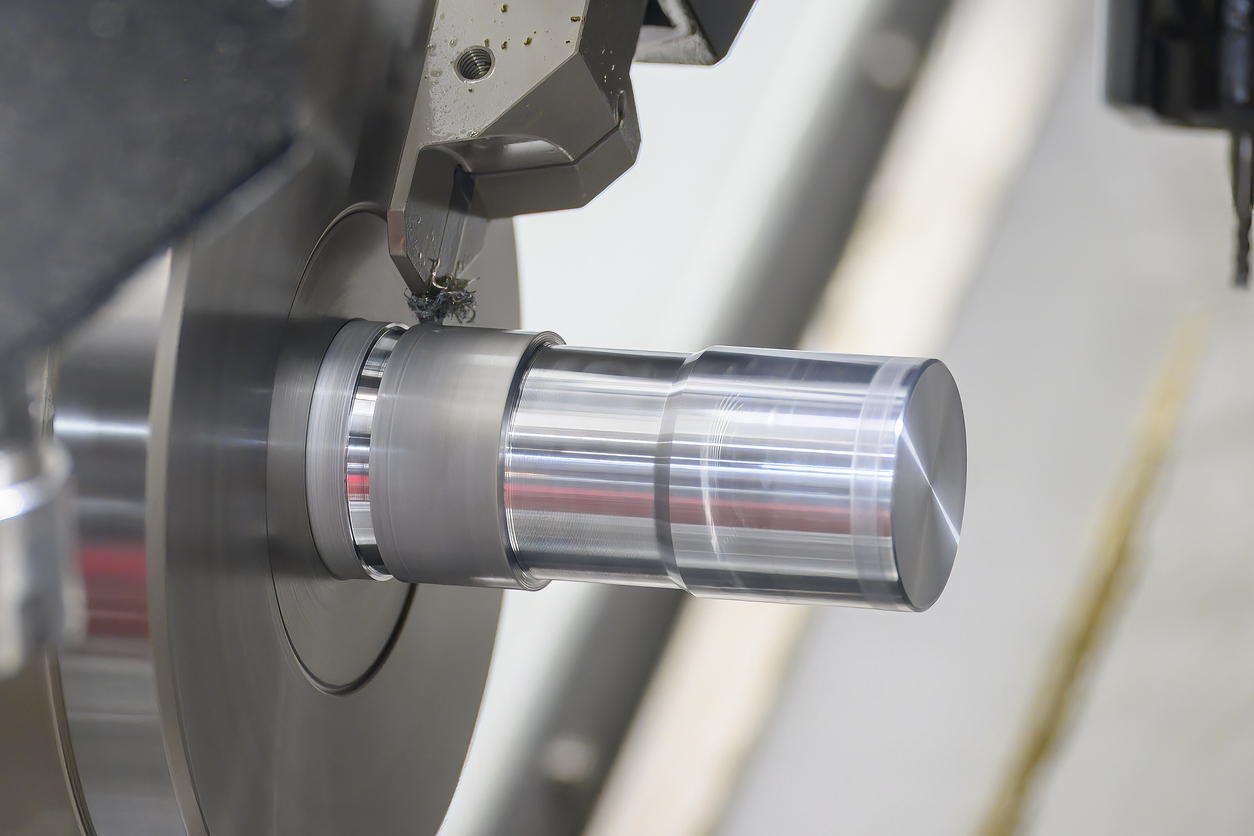
CNC turning involves rotating the carbon fiber workpiece while a cutting tool shapes it, typically used for creating cylindrical parts. This process is challenging with carbon fiber due to its tendency to splinter and requires precise control to avoid damaging the material. Diamond-coated or carbide tools are recommended, and optimized speeds and feeds are essential to achieve smooth, accurate results without compromising the material’s strength.
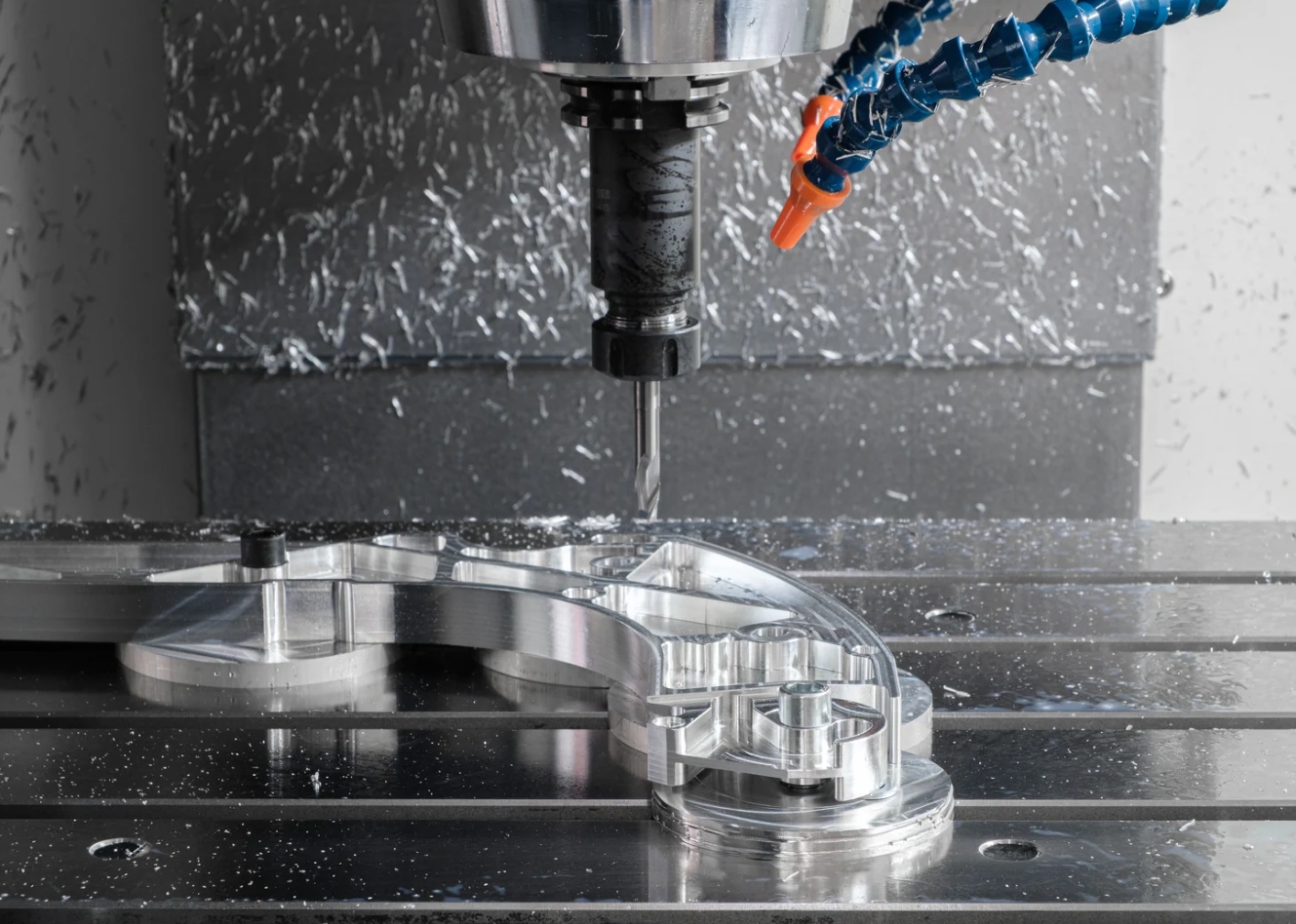
CNC routing, similar to milling, employs a high-speed rotary cutter to shape carbon fiber, typically used for cutting flat sheets into specific designs. This precision is efficient for producing large quantities of parts with consistent accuracy. However, it necessitates effective dust collection systems to manage the hazardous carbon fiber dust produced and requires careful selection of cutting tools to avoid fraying and ensure smooth edges.
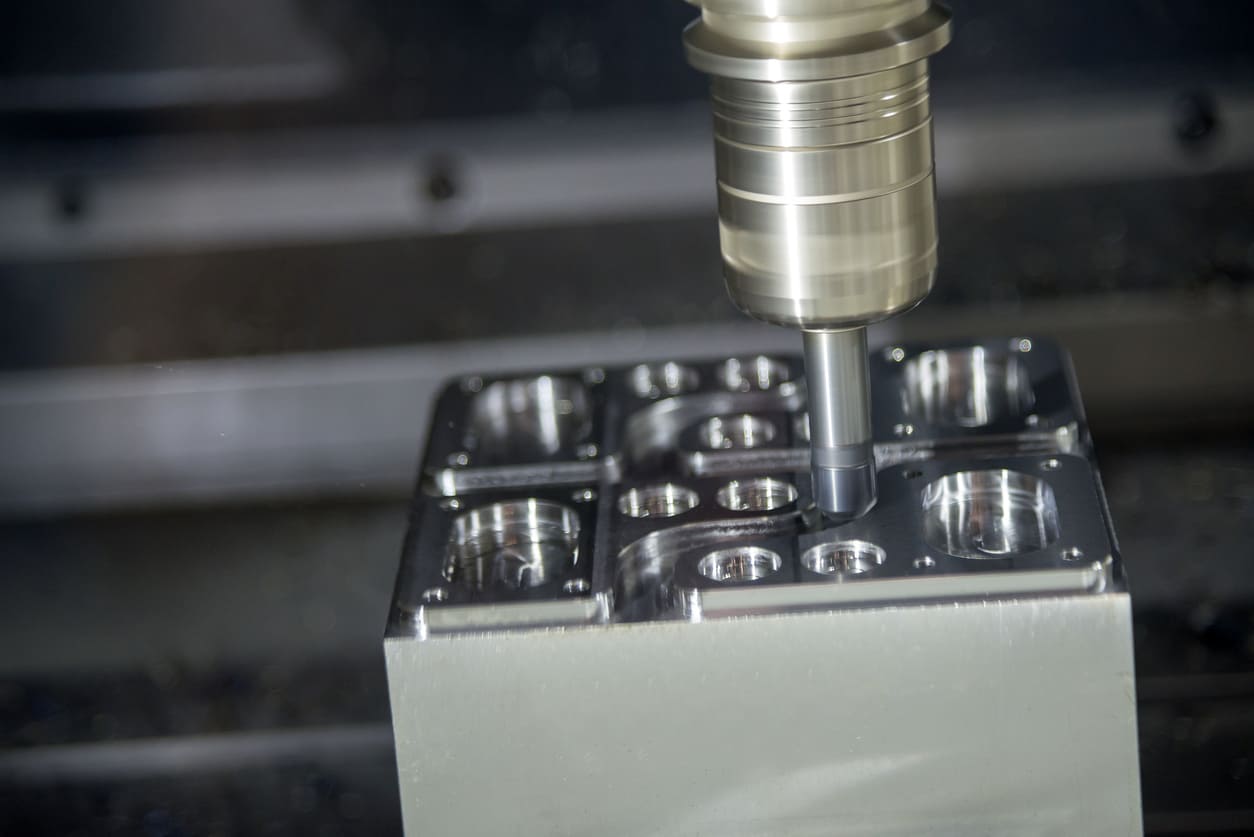
CNC drilling creates precise holes in carbon fiber materials, often needed for mounting points and fasteners. The process demands sharp, high-quality drill bits, such as carbide or diamond-coated bits, to avoid fraying or cracking around the edge of the hole. Drilling carbon fiber requires meticulous control of feed rate and speed to maintain the integrity of the material and achieve clean, accurate holes.
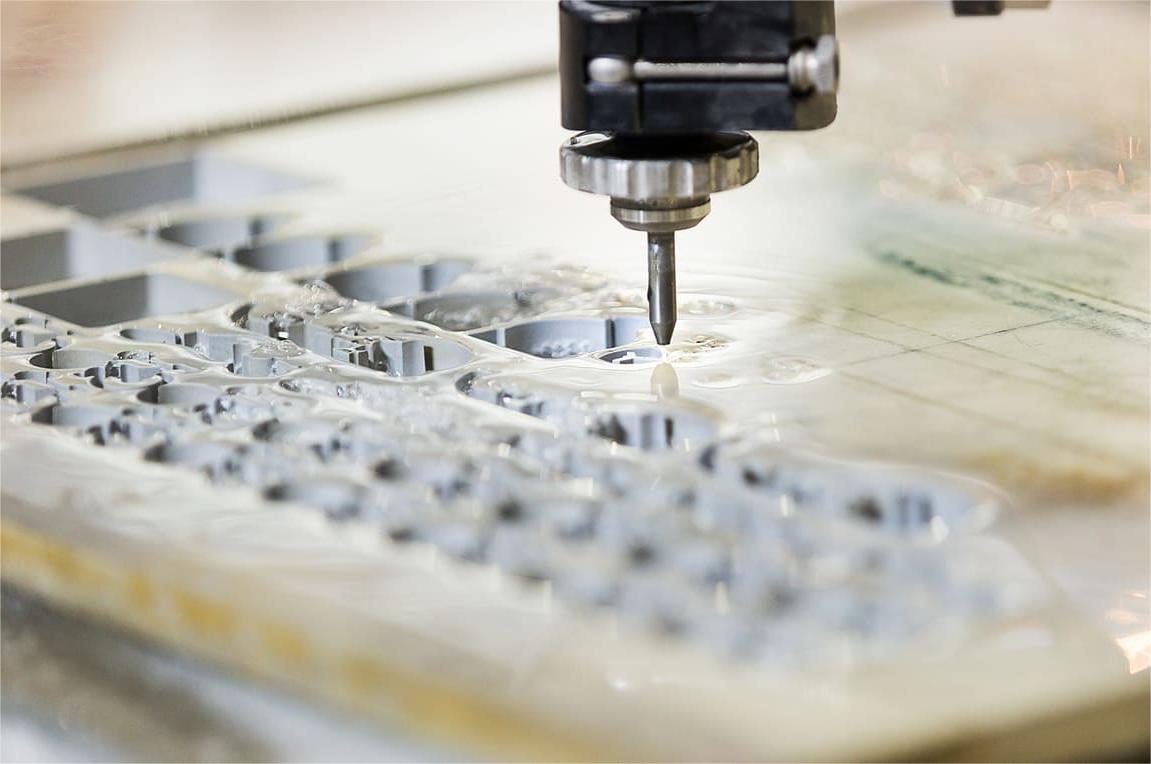
CNC waterjet cutting uses a high-pressure stream of water mixed with abrasive materials to cut through carbon fiber, allowing for intricate and precise shapes. This process is beneficial because it minimizes thermal damage and delamination risks, ensuring clean cuts without compromising the material’s structural integrity. Proper handling is necessary to prevent water absorption by the carbon fiber, which can affect its properties.
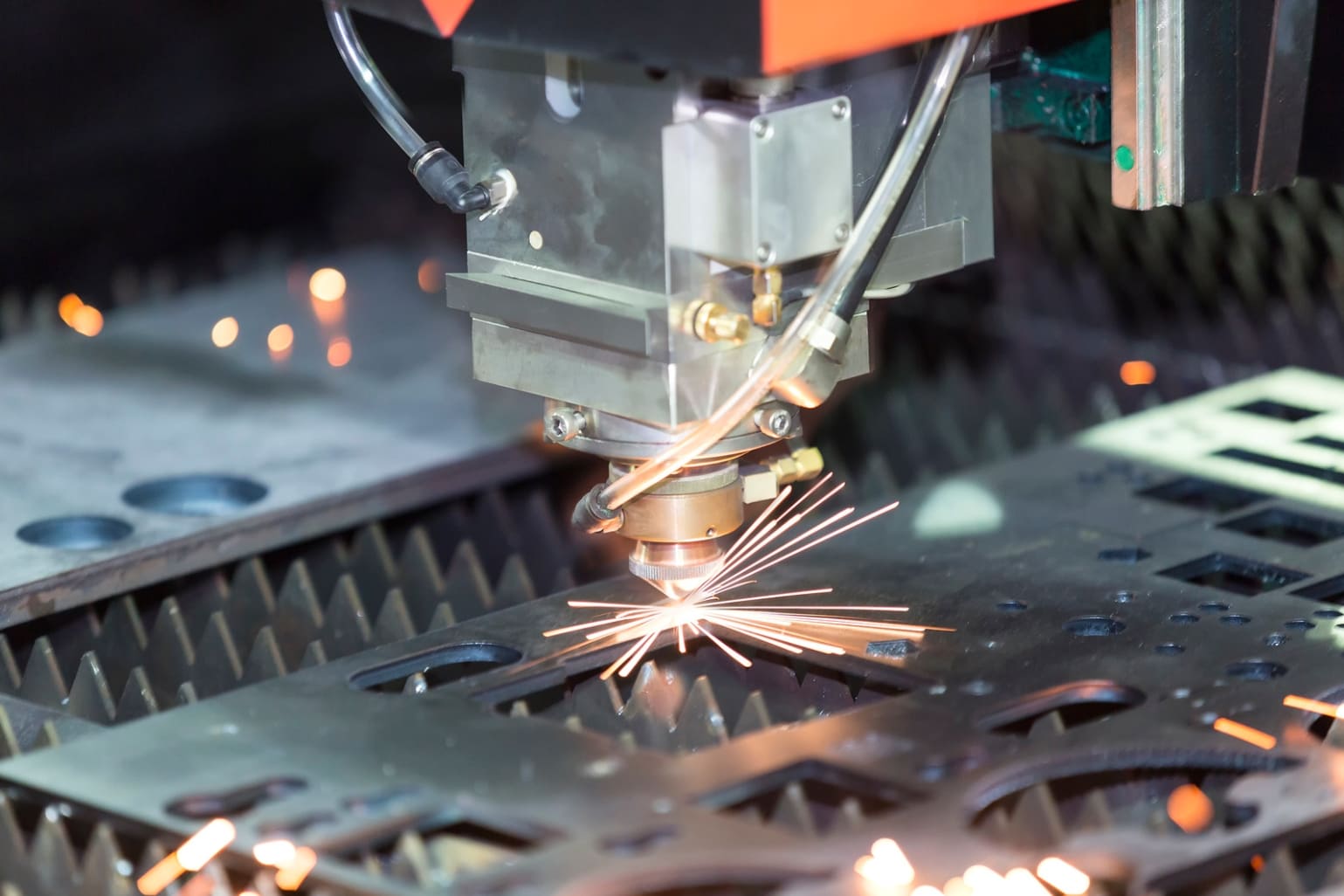
CNC laser cutting employs a focused laser beam to cut or engrave carbon fiber, providing high precision and the ability to create intricate designs. While this method is efficient, it poses a risk of thermal damage, which can affect the structural integrity of the material. To mitigate these risks, careful setup and control of laser parameters are crucial, making laser cutting ideal for detailed and delicate work.
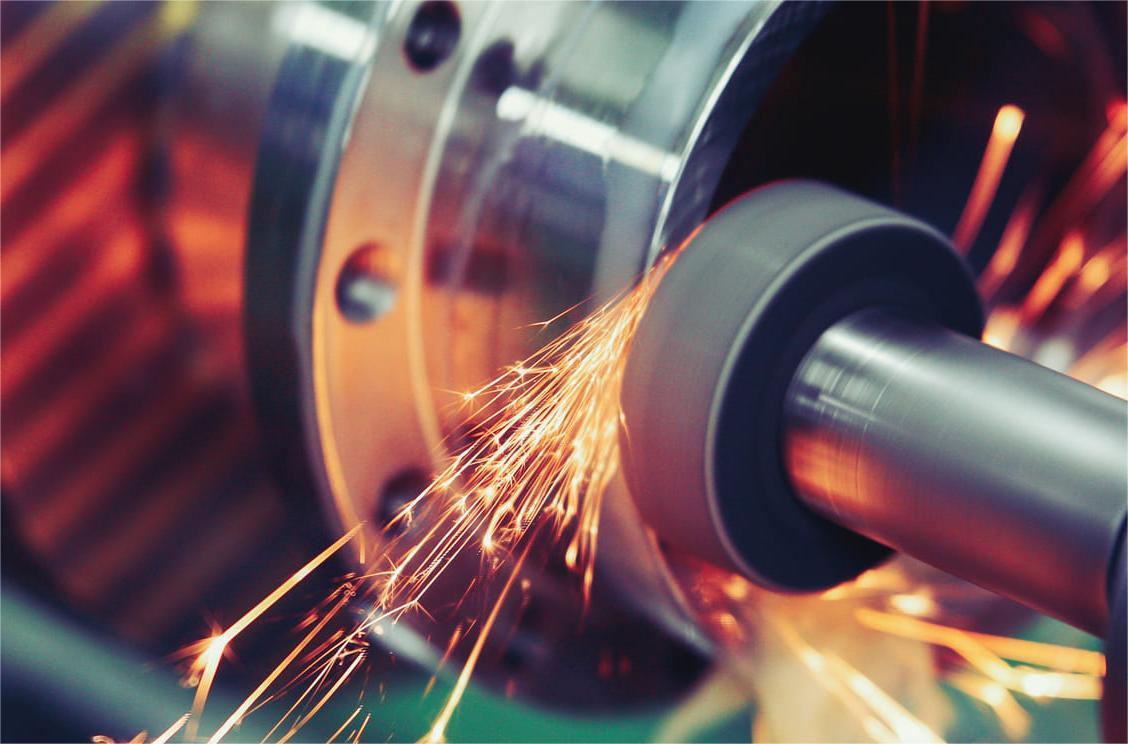
CNC grinding uses a rotating abrasive wheel to remove material from the carbon fiber surface, often employed for finishing and achieving fine tolerances. The process generates a fine dust, which must be managed with effective dust collection systems to prevent health hazards and ensure clean machining. Grinding ensures overall refinement for carbon fiber parts and maintains the integrity of the carbon fiber layers.
At our plant, we use specialized diamond-coated and polycrystalline diamond tools designed to withstand the abrasive nature of carbon fiber.
We have implemented an advanced dust control system that includes high-efficiency particulate air (HEPA) filters and enclosed machining environments. The HEPA filters are capable of capturing 99.97% of particles as small as 0.3 microns, ensuring that airborne carbon fiber dust is effectively contained and removed.
To address issues of delamination and fiber pull-out, we employ high-precision machining techniques and optimized cutting parameters. Our CNC machines are programmed to use specific feed rates, cutting speeds, and tool paths that minimize stress on the material and prevent damage. Additionally, we use multi-axis machining capabilities to achieve complex geometries without compromising the integrity of the carbon fiber layers.
To manage the heat generated during machining, we utilize advanced cooling and lubrication systems. These systems are designed to dissipate heat effectively and maintain optimal cutting conditions, thereby preserving the quality of the carbon fiber material. Our coolant systems are also equipped with filtration units to remove contaminants, ensuring the longevity of both tools and machined parts.
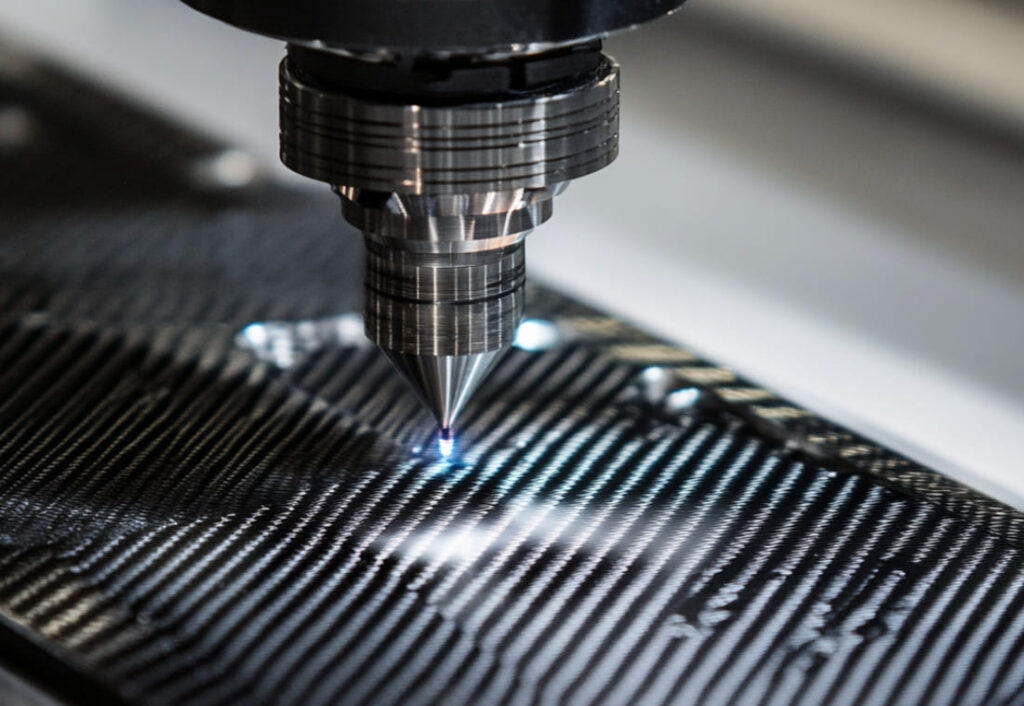
Welcome to our premier carbon fiber CNC machining services, where precision meets innovation. Our state-of-the-art facilities and experienced team ensure the highest quality and accuracy in every project. Whether you’re in aerospace, automotive, or any industry requiring robust and lightweight components, we deliver exceptional results tailored to your specific needs. Contact us today to learn how we can elevate your projects with our superior carbon fiber CNC machining solutions.
GET INSTANT QUOTEEquipped with state-of-the-art CNC machines, we can handle a variety of carbon fiber materials and achieve tight tolerances within ±0.001 inches.
We employ advanced techniques and meticulous quality control to preserve carbon fiber’s strength and durability, ensuring long-lasting components.
Our efficient processes and dedicated team enable us to deliver projects quickly while maintaining exceptional quality.
Our transparent pricing structure helps you make informed decisions, with detailed quotes and no hidden fees.
We adapt to your unique needs, ensuring components that precisely match your requirements and production goals.
From consultation to delivery, our team offers dedicated support and transparent communication every step of the way.
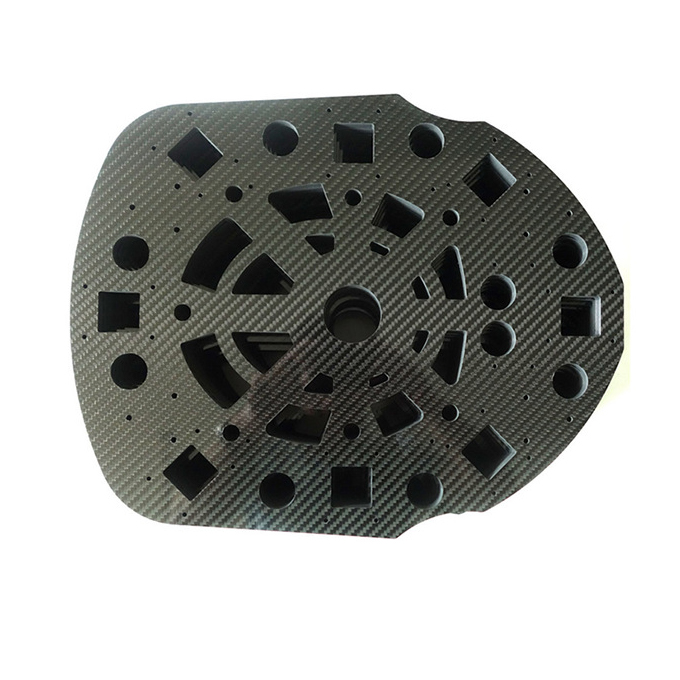
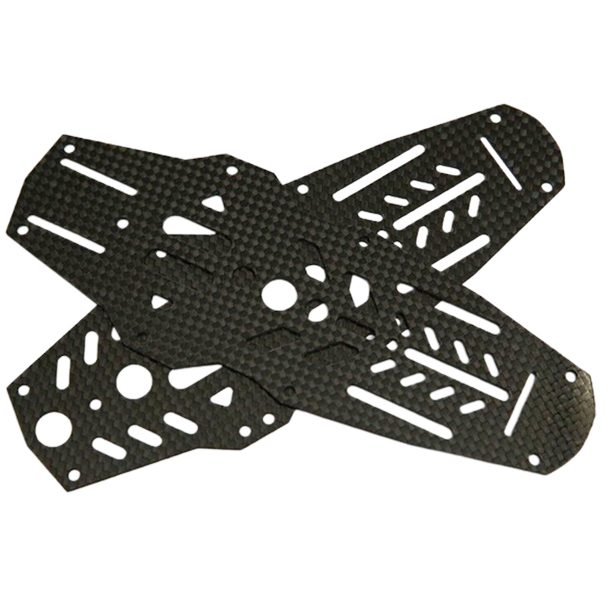
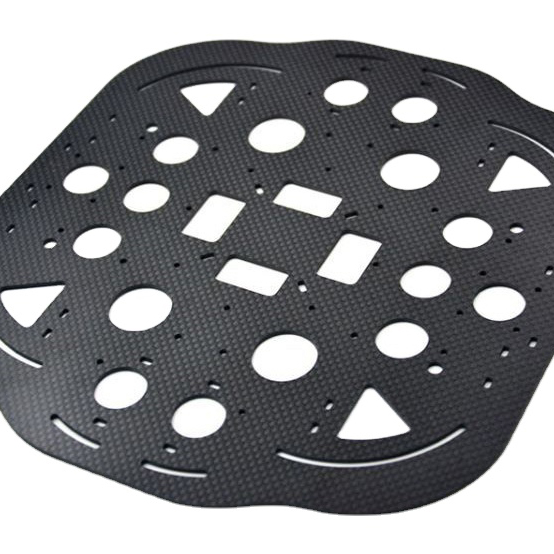
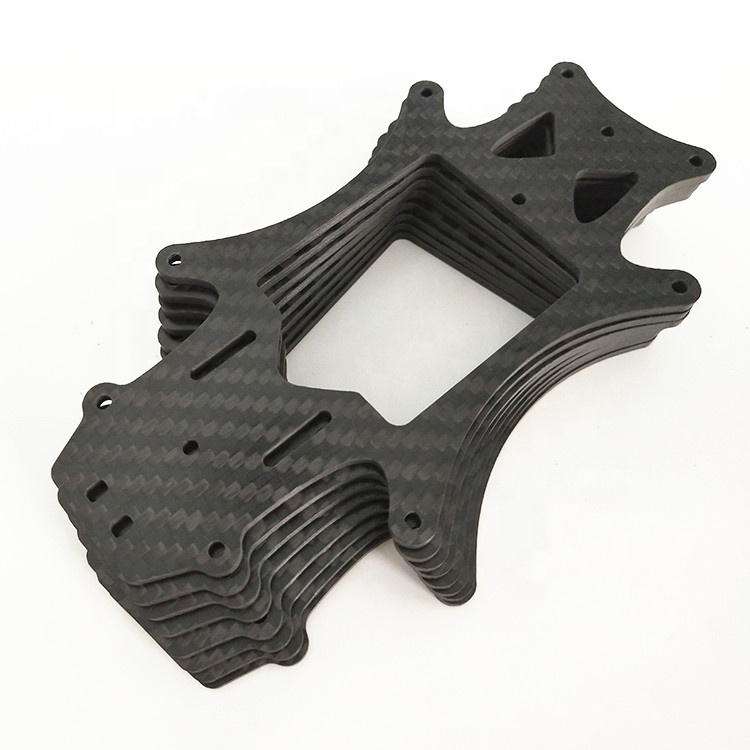
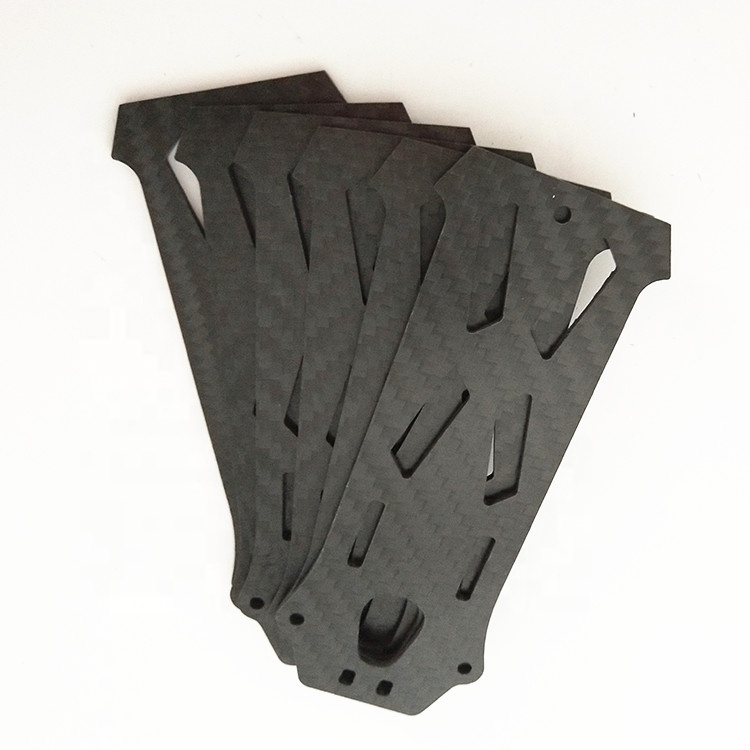
We prioritize clear communication, meticulous attention to detail, and high-quality production standards to deliver carbon fiber parts that meet your exact specifications and exceed your expectations.
We start with an initial consultation to understand your project requirements and goals.
Our engineering team reviews your design files, providing feedback and recommendations to optimize for manufacturability.
We provide a detailed quotation and project plan, outlining costs, lead times, and key milestones.
For new designs, we develop a prototype to test and validate the design, making any necessary adjustments before moving to full production.
In full-scale production, our advanced CNC machining ensures precise and consistent manufacturing.
Each part undergoes a final inspection to meet all specifications and quality standards. Approved parts are carefully packaged and shipped to your location.
© 2026 XpertMFG. All Right Reserved.
Designed & Developed by  Innov Touch Technologies Pvt Ltd.